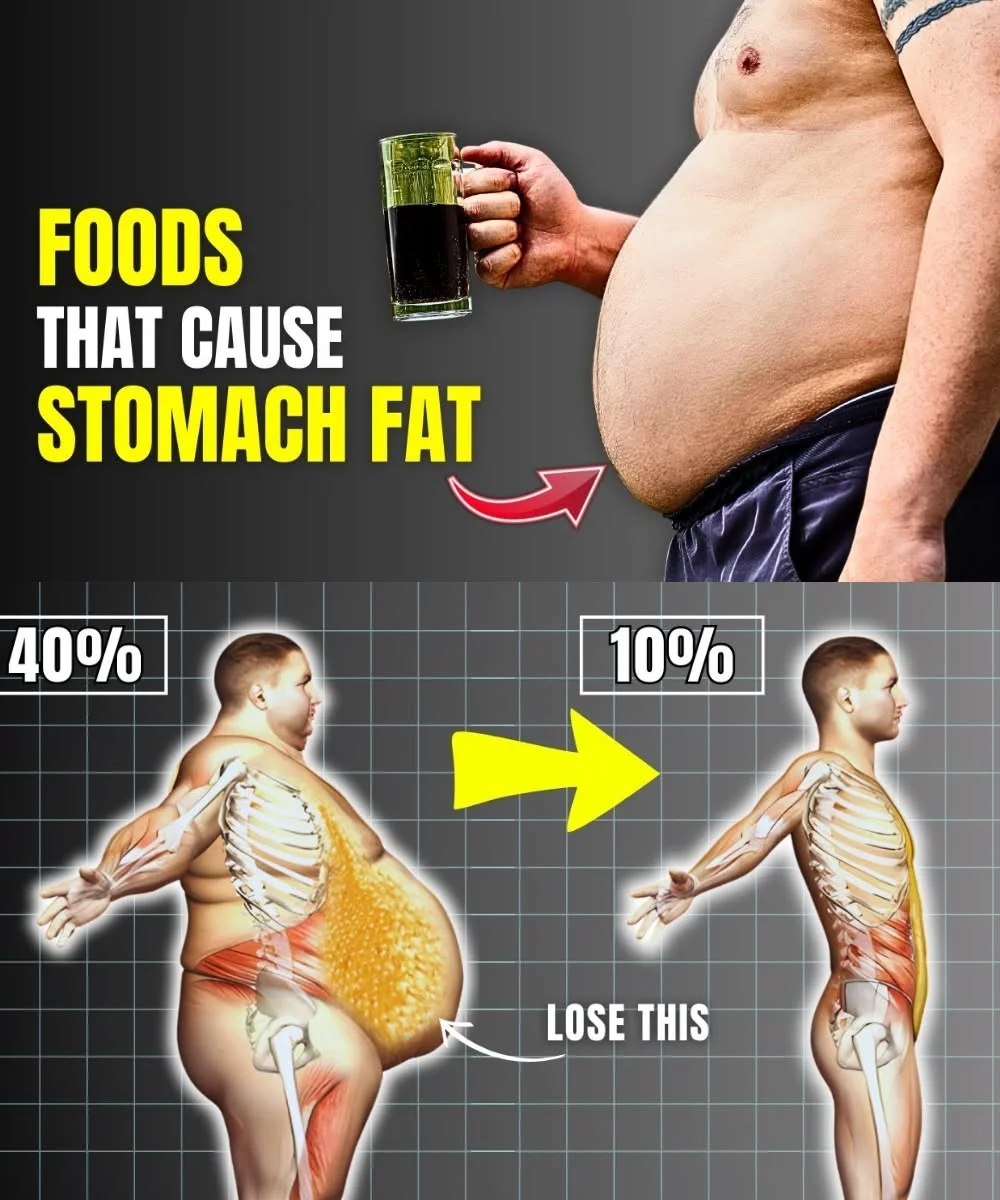
7. Beer
Beer and other alcoholic drinks provide calories without offering much nutritional value. Alcohol can also make it easier to overeat and may interfere with your ability to stick to your nutrition goals.
8. Chips & Packaged Snack Foods
Potato chips, crackers, and other highly processed snacks are often high in calories, fat, and sodium while being relatively low in satiety. They can be easy to overeat.
9. White Rice
White rice isn’t inherently unhealthy, but it is lower in fiber than brown rice and some other whole grains. Large portions can contribute significant calories, so portion size matters.
10. Candy & Chocolate Bars
Candy and many chocolate bars contain significant amounts of added sugar and calories. Eating them frequently can make it harder to maintain the calorie deficit needed for fat loss.
11. Pizza
Pizza can be high in calories, refined carbohydrates, saturated fat, and sodium, particularly when loaded with cheese and processed meats. Smaller portions with vegetables and lean protein can be a better option.
12. Flavored Yogurt
Some flavored yogurts contain substantial amounts of added sugar. Choose plain Greek yogurt or unsweetened yogurt and add fresh fruit for sweetness and extra nutrients.
13. Granola Bars
Not all granola bars are healthy. Some contain large amounts of added sugar and calories and may be closer to a dessert than a nutritious snack. Check the nutrition label and choose options higher in fiber and protein.
14. Fast-Food Burgers
Fast-food burgers can combine refined buns, high-fat meats, cheese, sauces, and large portions, resulting in a calorie-dense meal. Choosing a smaller burger and adding vegetables or a side salad can help reduce the calorie load.
15. Refined Pasta
Refined pasta can be part of a healthy diet, but large portions combined with creamy, high-calorie sauces can make a meal much more calorie-dense. Whole-grain pasta can provide more fiber and may help you feel fuller.
16. Sugary Breakfast Cereals
Some breakfast cereals contain high amounts of added sugar while providing relatively little fiber or protein. Choose cereals with more whole grains and fiber and less added sugar.
17. Processed Cheese Products
Cheese slices, spreads, and other processed cheese products can be high in sodium and saturated fat. They can be enjoyed occasionally, but less-processed options may provide more nutritional value.
18. Milkshakes & Fancy Coffee Drinks
Milkshakes, flavored lattes, frappés, and specialty coffee drinks can contain surprisingly large amounts of added sugar and calories. Choosing unsweetened coffee or lighter versions can significantly reduce calorie intake.
19. Energy Drinks
Many energy drinks contain large amounts of added sugar and caffeine. Regularly consuming sugary versions can add unnecessary calories, while excessive caffeine intake may cause sleep problems, increased heart rate, or other unwanted effects. For most people, water, unsweetened beverages, or lower-sugar options are better everyday choices.
Final Thought
You don’t need to completely eliminate these foods to lose belly fat. Overall calorie intake, diet quality, physical activity, sleep, and consistency matter far more than avoiding one particular food.
Instead of focusing on extreme restrictions, build your diet around lean protein, vegetables, fruits, whole grains, legumes, healthy fats, and minimally processed foods. Over time, these habits can help you lose overall body fat and improve your health.