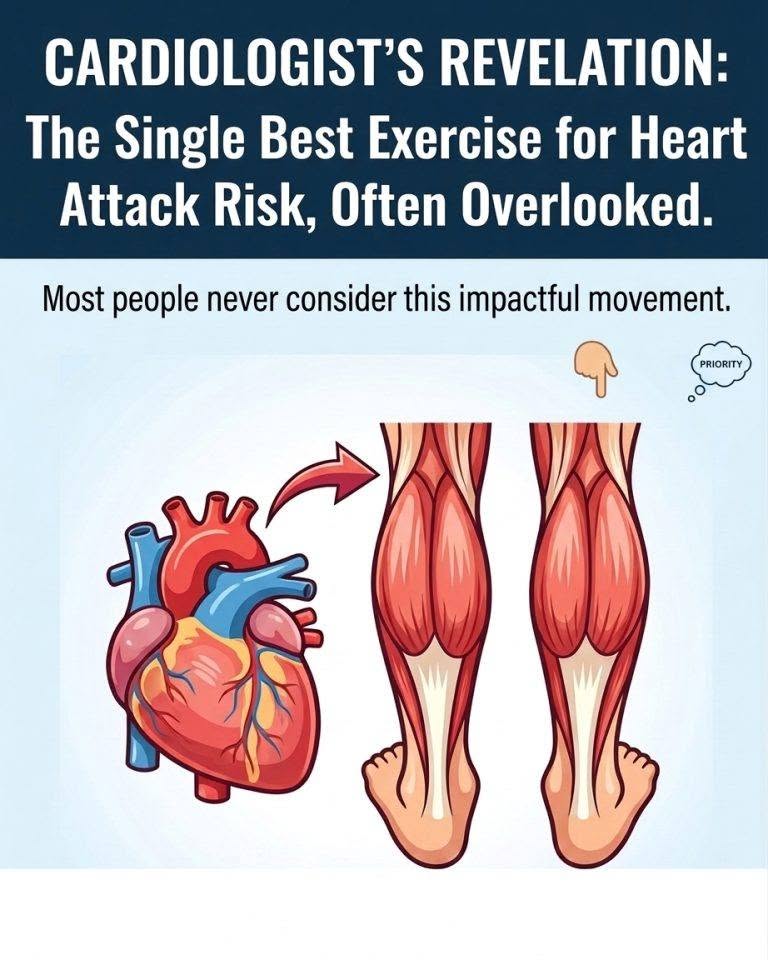
In a recent discussion, cardiologist Dr. Jeremy London emphasized the importance of lower-body strength training as part of an overall approach to cardiovascular health. He highlighted leg exercises because the lower body contains some of the body’s largest muscle groups, and maintaining muscle strength is important for physical fitness and metabolic health.
Heart disease remains the leading cause of death in the United States, making regular physical activity an important part of cardiovascular disease prevention.
The Most Important Takeaways
- Leg strength matters: Lower-body strength exercises can help improve muscle strength, physical fitness, and metabolic health.
- Muscle mass has benefits: Maintaining muscle mass is associated with better metabolic health and physical function.
- Research supports the connection: Studies have found an association between greater leg strength and a lower risk of heart failure, particularly in people who have experienced a heart attack or acute coronary syndrome.
- Exercise is part of a bigger picture: Strength training should be combined with aerobic exercise and other heart-healthy habits.
The Role of Muscle Strength in Heart Health
The legs contain some of the largest muscle groups in the body. Strengthening these muscles can improve overall physical capacity and make activities such as walking, climbing stairs, and cycling easier.
Maintaining muscle mass and strength may also support glucose regulation and insulin sensitivity, both of which are important components of metabolic and cardiovascular health.
However, it is important to avoid overstating the evidence. Greater muscle mass or leg strength does not, by itself, prove that a person has a lower risk of having a heart attack.
How Lower-Body Exercise May Help
Regular lower-body strength training can contribute to cardiovascular health in several ways:
- Improved physical fitness: Stronger legs can make everyday movement and aerobic exercise easier.
- Better glucose regulation: Maintaining muscle mass can support glucose metabolism and insulin sensitivity.
- Improved exercise capacity: Leg strength is important for walking, cycling, climbing stairs, and other forms of physical activity.
- Maintenance of muscle mass: Resistance training can help reduce age-related muscle loss and weakness.
- Support for healthy circulation: Regular physical activity can improve cardiovascular fitness and vascular function.
Supporting Research
see continuation on next page