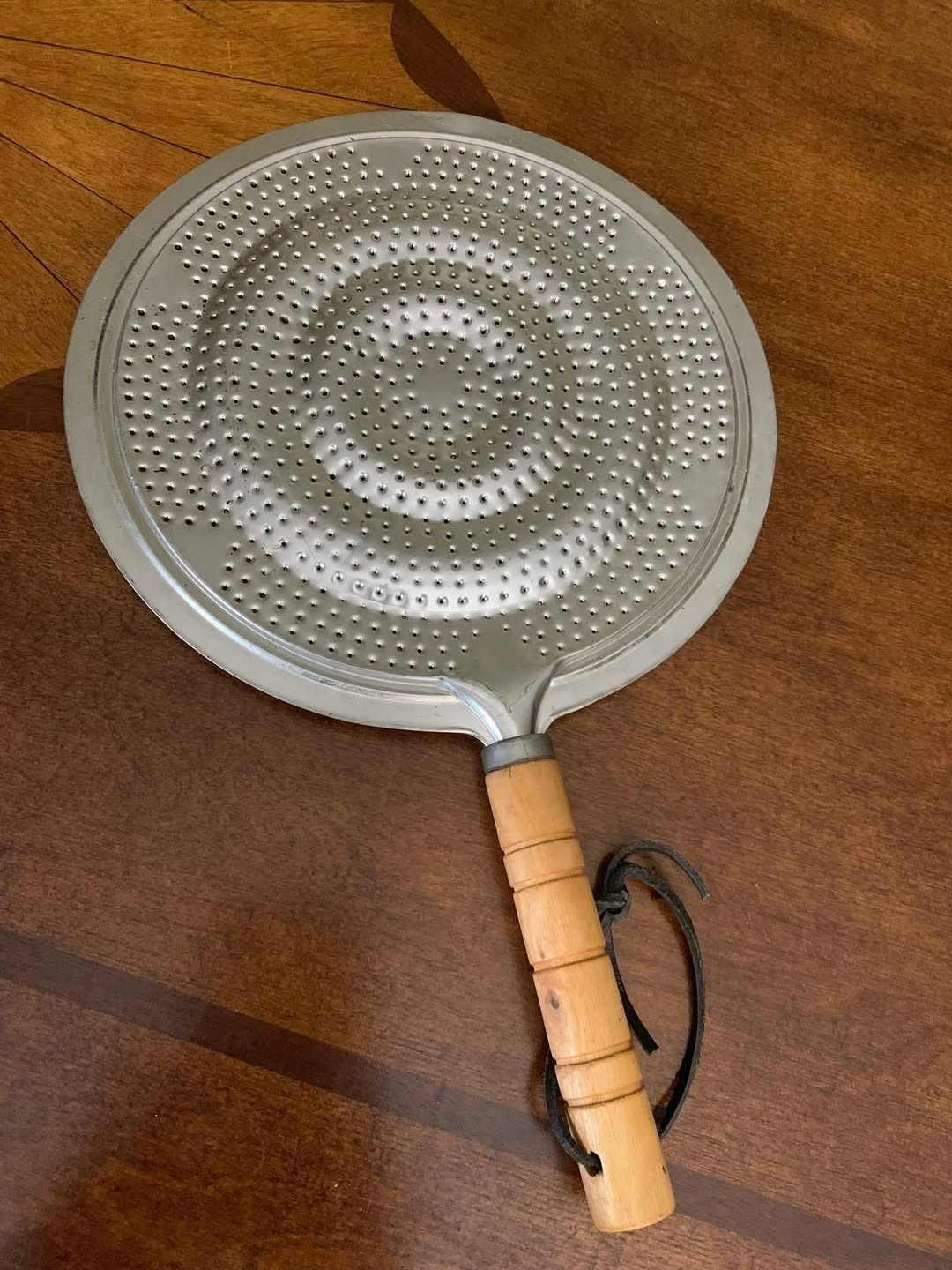
The End of Scorched Sauces and Soups
Imagine a bolognese simmering for four hours without developing a single bitter, scorched note at the bottom of the pot.
That is where a simmer ring, also called a heat diffuser, earns its place in the kitchen. By creating a buffer between the burner and the cookware, it spreads heat more evenly and reduces the intensity of the hottest spots.
The result is gentler, more controlled cooking—exactly what long-simmered sauces, soups, and stews need.
Chocolate and Custards Without Fear
Delicate foods are often the first victims of excessive heat. Chocolate can seize or scorch, while custards and cream-based sauces can quickly become grainy or curdled when exposed to sudden temperature spikes.
A diffuser provides a layer of insulation and distributes heat gradually. It doesn’t replace a water bath in every situation, but it can make stovetop cooking much more forgiving when you need gentle, steady heat.
Perfect Rice and Grains
A concentrated burner flame can create hot spots beneath a pot, particularly on powerful gas stoves. The bottom layer of rice or grains may cook too aggressively while the food above it is still catching up.
A diffuser helps distribute the heat across a broader area, encouraging more even cooking and reducing the likelihood of a scorched bottom.
Keeping Food Warm Without Overcooking It
Need to keep gravy, soup, or stew warm while everyone gets to the table?
A diffuser can make low-temperature holding easier by softening the burner’s direct heat. With careful flame adjustment, food can remain hot without being subjected to the vigorous bubbling that causes sauces to reduce too quickly or delicate preparations to break.
Protecting Your Cookware
see continuation on next page