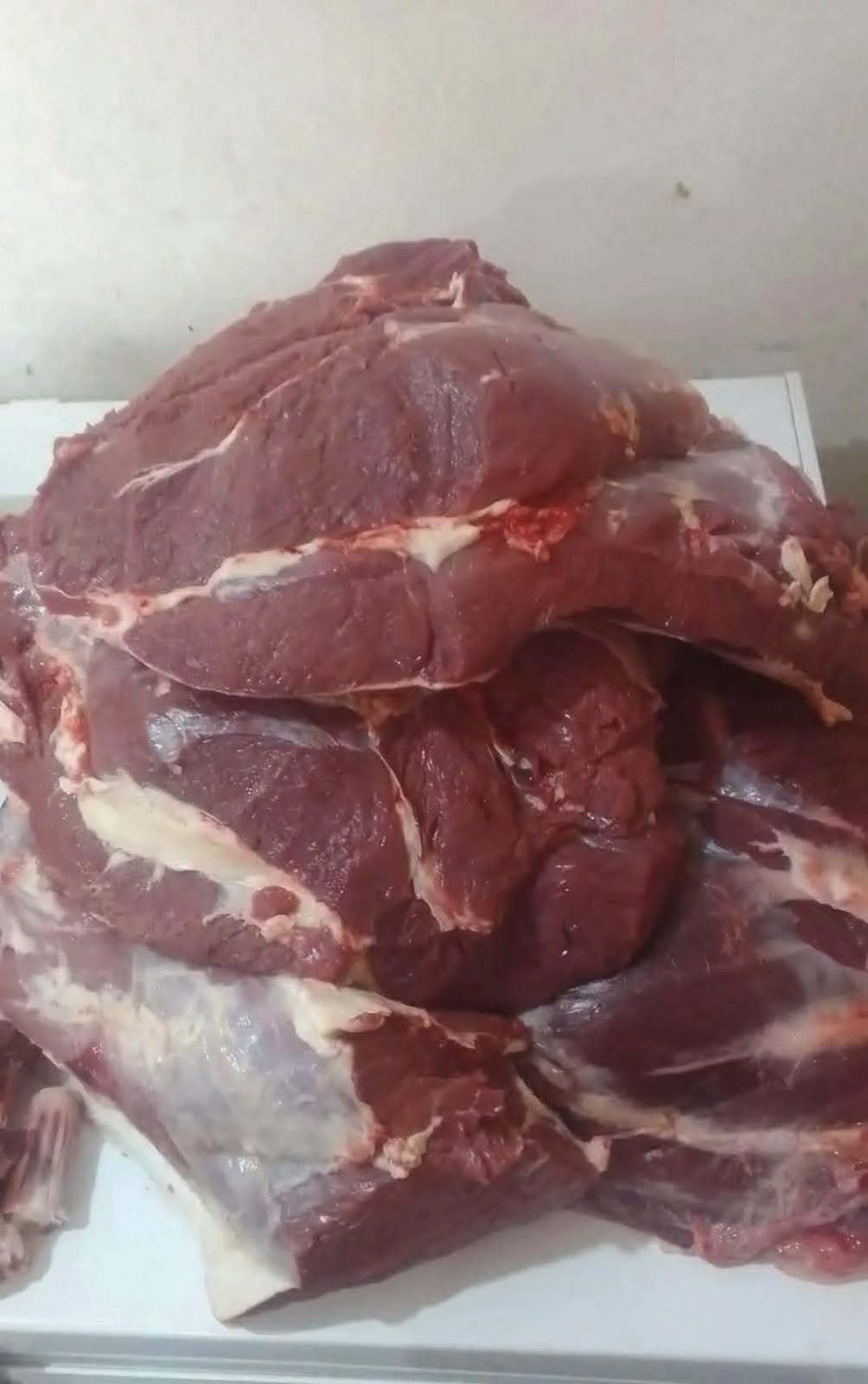
Headlines about “mystery meat,” “old meat,” and supermarket tricks can make even a routine grocery trip feel suspicious. But the reality is much less dramatic.
There are legitimate labeling details worth understanding when you shop for meat, particularly when it comes to added solutions, storage dates, and changes in color.
The good news is that you don’t need to be afraid of the meat aisle. A little label-reading knowledge can help you make informed choices about quality, ingredients, and price.
A Quick Food-Safety Reminder
Always follow proper food-handling practices, keep perishable meat properly refrigerated, and cook it to the recommended safe internal temperature. When in doubt about whether meat has been stored safely, it’s better to discard it than take a chance.

What Are Supermarkets Actually Selling?
In the United States, meat and poultry products subject to federal inspection are regulated for safety and labeling. Added ingredients and solutions must be appropriately disclosed on the label.
That doesn’t mean every package is identical. Some products contain added water, salt, or other ingredients, while others are simply plain cuts of meat.
Here are three things worth knowing.
1. Watch for Added Solutions
One of the most useful things to check is whether a meat or poultry product contains an added solution.
You may see wording such as “contains X% added solution” followed by the ingredients in that solution. For poultry, labels may also use terms such as “basted,” “self-basted,” “marinated,” or “for flavoring.” These indicate that a solution has been added during processing.
Why Does It Matter?
Added solutions aren’t necessarily a food-safety problem. However, they can affect the product’s sodium content, flavor, texture, and price per pound of actual meat.
If you prefer plain meat or want to control how much salt you add during cooking, look for products without added solutions.
The Simple Fix
Turn the package over and read the ingredient statement.
Ingredients must be listed on regulated meat and poultry labels, allowing you to see whether the product contains ingredients beyond the meat itself.
2. Don’t Automatically Panic About the Date
“Sell-by,” “best-by,” and “use-by” dates can be confusing.
A date printed on a package doesn’t automatically mean the meat becomes unsafe at midnight on that date. USDA guidance explains that product dating generally concerns quality rather than safety, although specific “use-by” instructions should be followed when applicable. Proper refrigeration is essential.
That doesn’t mean you should ignore dates.
Fresh meat and poultry are highly perishable, so storage time, refrigerator temperature, packaging, and whether the package has been opened all matter.
For example, USDA guidance recommends keeping fresh meat and poultry refrigerated at 40°F (4°C) or below, with ground meats and poultry generally having shorter refrigerator storage times than many whole cuts.
The Better Approach
Continue to the next page