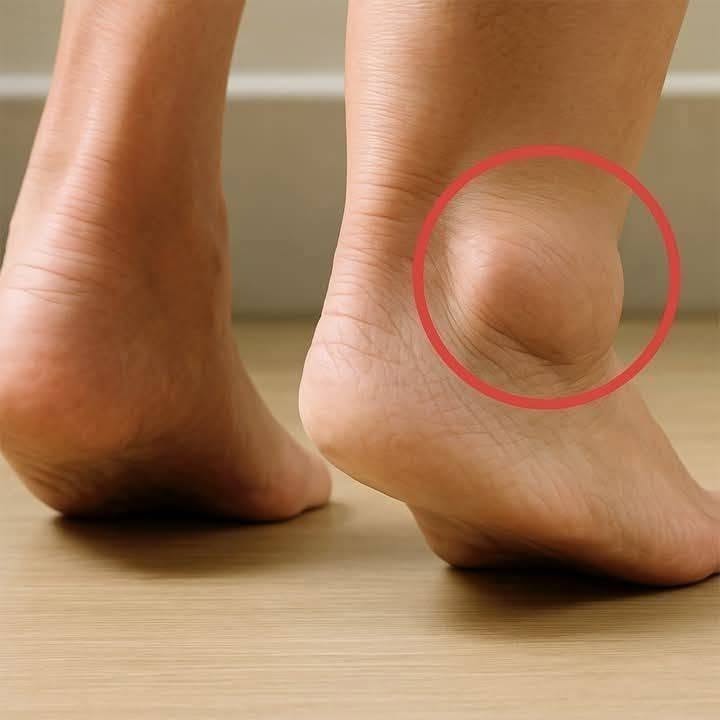
Swollen feet are a common issue among older adults. While mild swelling can occur after sitting or standing for long periods, frequent or persistent swelling may indicate an underlying health problem. This condition, known as edema, occurs when excess fluid builds up in the tissues of the feet and lower legs.
As the body ages, circulation may become less efficient. Slower blood flow can cause fluid to collect in the lower extremities, leading to visible swelling and discomfort. Poor circulation is one of the common causes, especially in individuals who remain inactive for long periods.

Another common cause is chronic venous insufficiency, a condition in which the veins have difficulty returning blood to the heart. This can cause blood and fluid to pool in the legs and feet. Certain medications, particularly some used to treat high blood pressure or inflammation, may also contribute to swelling.
In some cases, swollen feet may be associated with more serious health conditions affecting the heart, kidneys, or liver. For this reason, ongoing, severe, or unexplained swelling should not be ignored and may require medical attention.
Lifestyle habits can also play a significant role. Lack of physical activity, prolonged sitting, and a high-sodium diet can all contribute to fluid retention. Fortunately, simple daily changes may help reduce swelling.
Staying active, taking regular breaks to move around, and elevating the feet can help improve circulation and reduce fluid buildup. Wearing comfortable, supportive footwear and, when appropriate, using compression socks may also help manage swelling.
Maintaining a balanced diet with less sodium and staying properly hydrated can support healthy fluid balance. With consistent care and small daily adjustments, older adults may be able to manage mild swelling more effectively and stay comfortable.
However, sudden or severe swelling—especially if it affects only one leg or is accompanied by chest pain, shortness of breath, redness, warmth, or significant pain—should receive prompt medical attention.