What’s reasonable
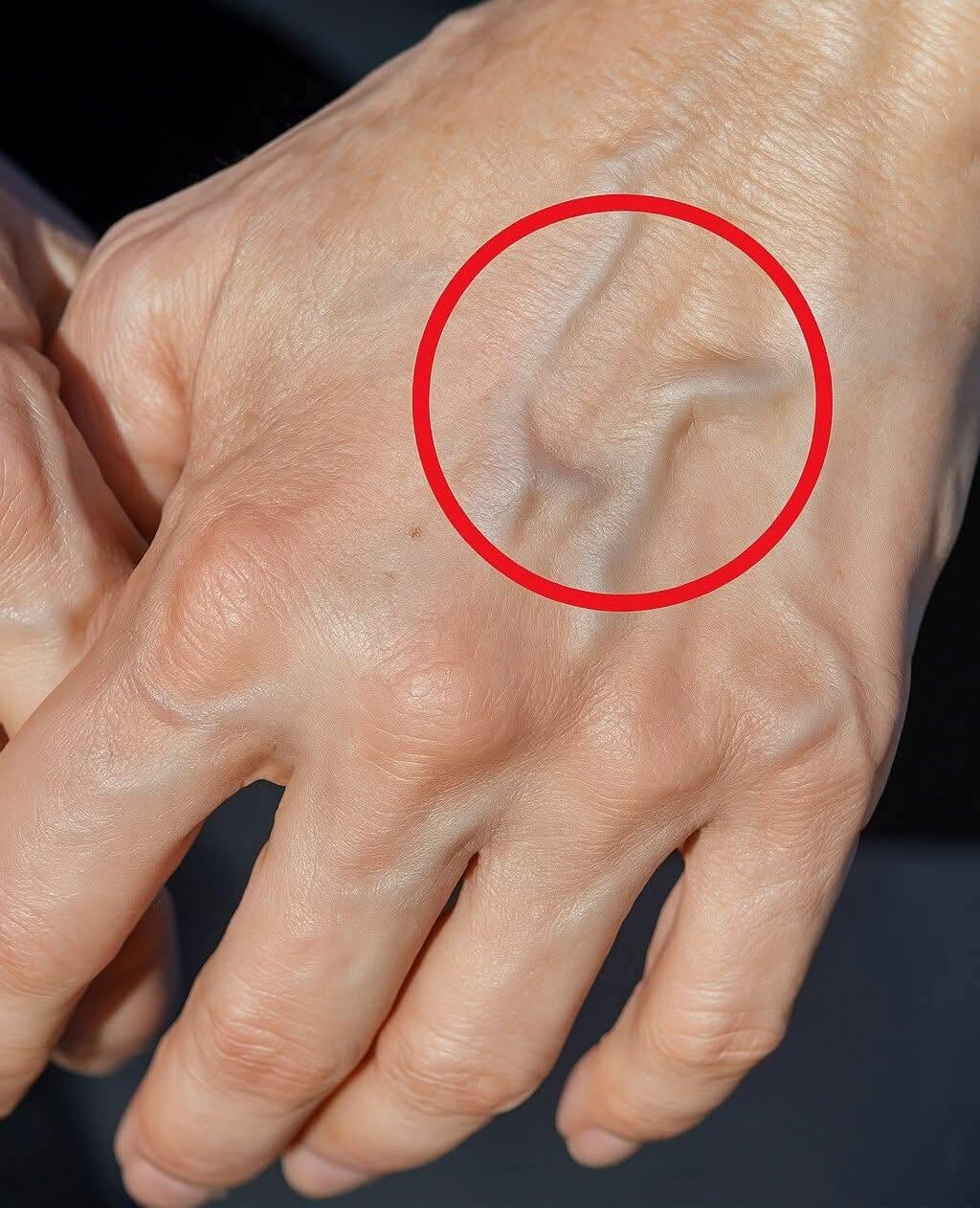
- More visible veins with age can be normal. Loss of subcutaneous fat and thinner skin can make superficial veins more noticeable.
- Capillary refill is a real clinical test, but it is mainly used as part of an assessment of peripheral perfusion, especially in acutely ill patients.
- One-sided swelling, pain, warmth, or discoloration can be warning signs of a DVT and deserve prompt medical assessment.
- Sudden shortness of breath or chest pain, particularly with possible DVT symptoms, can indicate a pulmonary embolism and requires emergency attention.
What is misleading
The article goes too far when it says that a nail test can prove your circulation is “fantastic.” It can’t. In adults, capillary refill can normally take around three seconds, and older adults may take longer. A normal result also doesn’t rule out every circulation problem.
Likewise, the temperature test isn’t a reliable home test for circulation. Warm feet or hands don’t establish that blood vessels are clear, and cold extremities can have many causes besides poor circulation.
The article also incorrectly presents purple blotches as simply “harmless” broken capillaries. Age-related senile/actinic purpura is common and usually benign, but not every unexplained purple mark is necessarily senile purpura. New, unusual, widespread, painful, or persistent bruising should be discussed with a clinician.
Most importantly, the statement “If you don’t have these, you have nothing to worry about” is not safe medical advice. Some DVTs can have few or no symptoms, and circulation problems aren’t diagnosed by these two home checks alone.
A safer version
Visible veins aren’t automatically a sign of poor circulation. They can become more noticeable as skin and the layer of fat beneath it change with age. However, a new or changing vein, unexplained bruising, or persistent skin discoloration shouldn’t automatically be diagnosed at home.
Seek prompt medical evaluation if you develop new one-sided swelling, pain or tenderness, warmth, redness/darkening, or a noticeably swollen or painful vein.
If these symptoms occur with sudden shortness of breath, chest pain, coughing up blood, or collapse, seek emergency medical care immediately because these can be symptoms of a pulmonary embolism.
A fingernail capillary-refill check can provide limited information about peripheral perfusion, but it cannot confirm that your circulation is normal.
So I wouldn’t recommend publishing the original article unchanged. The biggest problem is its reassuring tone: it turns simple observations into conclusions that the tests cannot actually establish.