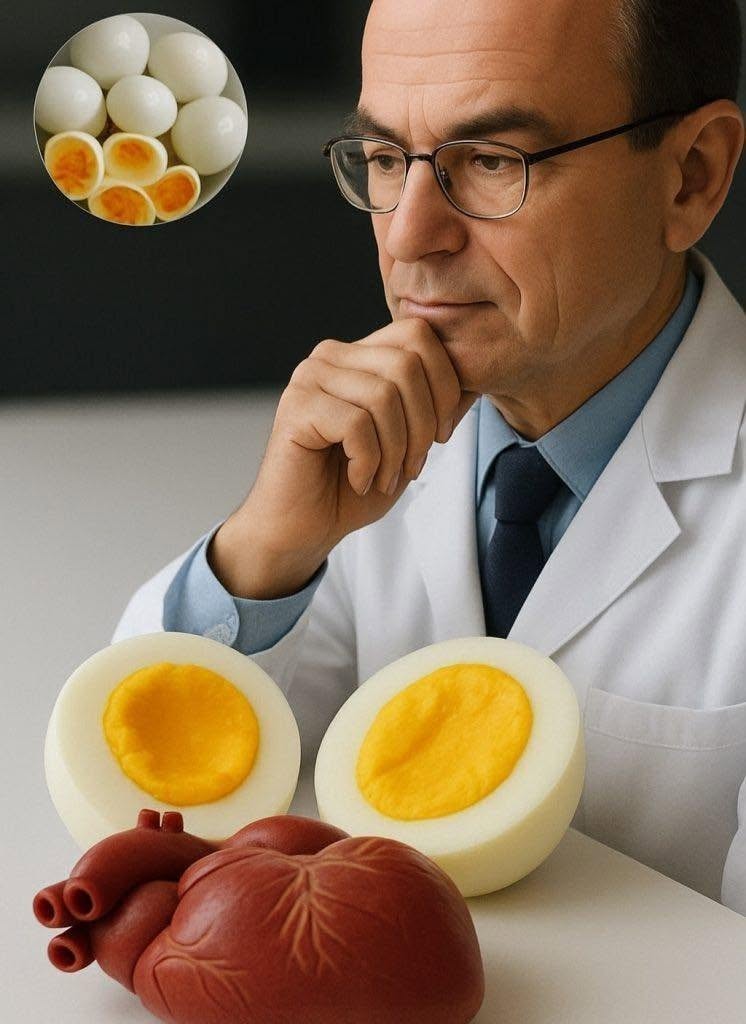
The Heart-Healthy Truth About Boiled Eggs: What Doctors Want You to Know
For decades, eggs carried an unfair reputation in heart-health conversations. Today, research gives us a more nuanced picture. Boiled eggs, prepared without added fats, can be a nutritious part of a balanced diet. However, their effect on heart health depends on the overall dietary pattern, individual health factors, and what foods are eaten alongside them.
Three Potential Benefits of Boiled Eggs
1. Complete Protein for Metabolic Health
A large boiled egg provides about 6 grams of high-quality protein containing all nine essential amino acids. Protein supports muscle maintenance and can contribute to satiety, which may make it easier to maintain a healthy body weight.

Maintaining a healthy weight is important for cardiovascular health because excess body weight can increase the risk of high blood pressure, type 2 diabetes, and cardiovascular disease.
2. Nutrients That Support Overall Health
Eggs provide several important nutrients, including:
Choline: An essential nutrient involved in cell structure, nerve function, and normal metabolism. Choline also plays a role in homocysteine metabolism, although eating eggs should not be viewed as a treatment for elevated homocysteine.
Vitamin D: Eggs provide a modest amount of vitamin D, a nutrient involved in bone and immune health. Vitamin D also has associations with cardiovascular health, although supplementation or increased vitamin D intake has not been established as a way to prevent cardiovascular disease.
Lutein and zeaxanthin: These carotenoids are concentrated in the yolk and are particularly well known for supporting eye health. They also have antioxidant properties.
3. Satiety That Can Support Weight Management
Eggs can be filling because they provide protein and other nutrients. Including a protein-rich food such as a boiled egg in a balanced meal may help reduce hunger between meals.
Healthy weight management is an important part of reducing cardiovascular risk, particularly when it is achieved through an overall diet rich in vegetables, fruits, whole grains, legumes, and other minimally processed foods.
What About the Cholesterol in Eggs?
see continuation on next page