Don’t Get Fooled by the Supermarket: What You Should Really Know About Buying Meat

The Better Approach
Don’t rely on the printed date alone.
Consider:
- How long the meat has been refrigerated
- Whether the package has been opened
- Whether it has remained properly chilled
- Whether there are obvious signs of spoilage
- Whether you can cook or freeze it within the recommended storage period
When you’re unsure about the storage history, don’t take a chance.
3. Don’t Judge Meat by Color Alone
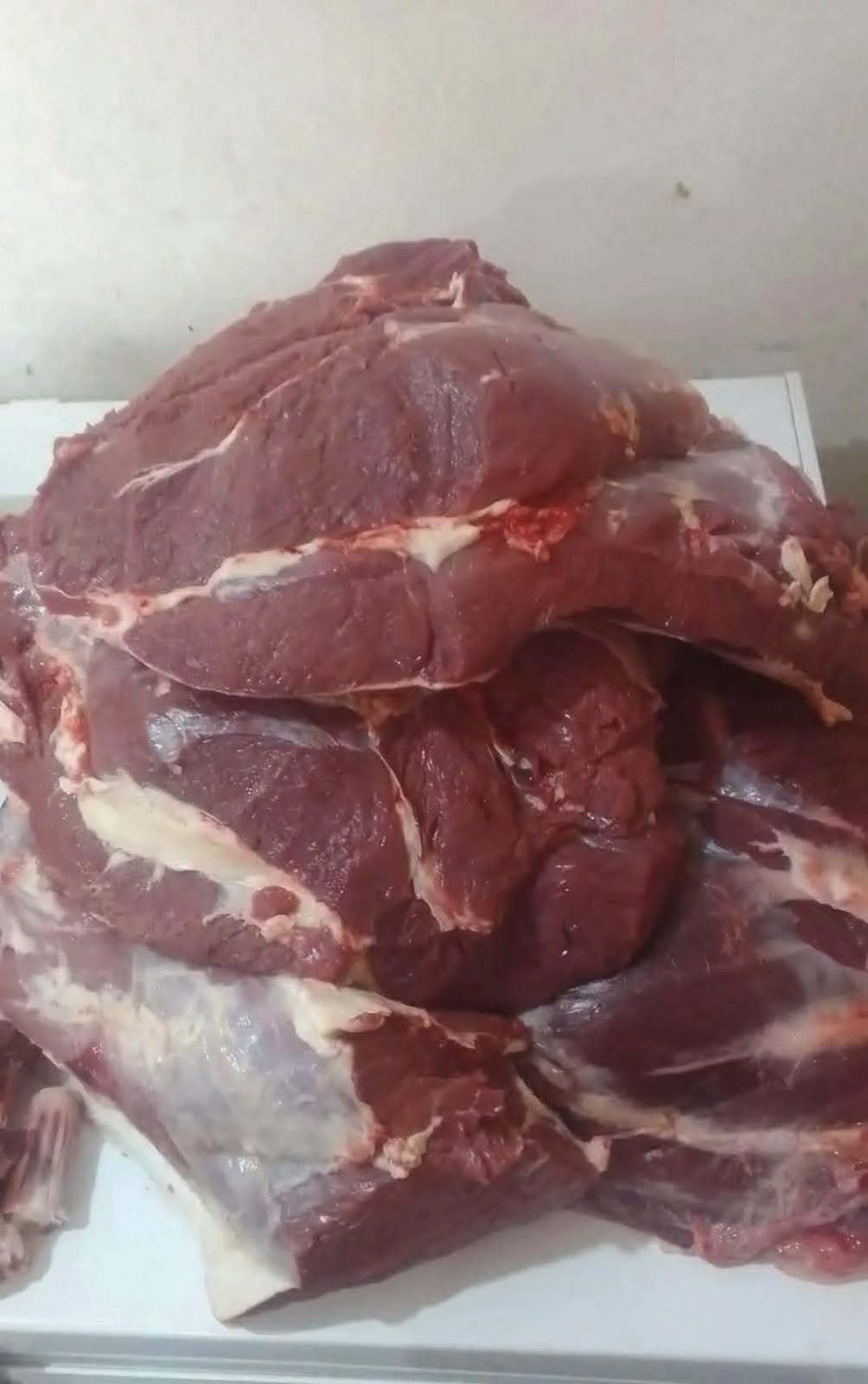
One of the biggest misconceptions about fresh meat is that bright red always means fresh and brown means spoiled.
That’s not necessarily true.
The color of meat is influenced by myoglobin, a pigment that reacts with oxygen. Beef can appear purplish-red when it hasn’t been exposed to much oxygen and can become bright cherry-red after exposure to air. Over time, oxidation can cause it to become brownish-red. A color change by itself does not necessarily mean the meat is spoiled.
What Should You Look For?
Color should be considered alongside other signs.
Meat that has developed an off odor, sticky or tacky texture, or a slimy surface should not be used.
When in doubt, throw it out.
What About “Old Meat”?
The phrase “old meat” makes for a frightening headline, but it isn’t a useful description by itself.
Meat can be perfectly acceptable despite a change in color, provided it has been handled and stored properly and doesn’t show signs of spoilage.
Conversely, meat shouldn’t be considered safe simply because it looks bright red.
Proper storage and handling are more important than appearance alone.
How to Shop More Confidently
You don’t need to be suspicious of every package in the meat department. Instead, develop a few simple habits.
Read the Label
Check the ingredient statement, especially on poultry or processed cuts. If you want plain meat, look for a package whose ingredients are simply the meat itself.
Compare Prices Carefully
If one product contains added solution and another doesn’t, don’t compare the prices without considering what you’re actually buying.
Choose Plain Cuts When You Want More Control
Whole, unseasoned cuts make it easier to control the amount of salt, seasoning, and other ingredients in your cooking.
Use Your Freezer
If you buy fresh meat that you won’t use within the recommended refrigerator storage period, freeze it promptly. Freezing keeps meat safe indefinitely at 0°F (-18°C), although quality can decline over extended storage.
Ask the Meat Department
If you’re unsure whether a particular product contains an added solution, ask the butcher or meat department employee to help you read the label.
A Simple Grocery-Store Routine
The next time you’re shopping for meat, try this:
1. Pick up the package.
Check the product name and ingredient statement.
2. Look for added solutions.
Words such as “contains added solution,” “basted,” or “marinated” tell you that something has been added during processing.
3. Check the packaging.
Make sure the package is intact and properly refrigerated.
4. Consider the storage date.
Don’t treat a printed date as the only measure of safety. Consider how long the product has been refrigerated and follow appropriate storage guidance.
5. Don’t panic over color.
Brownish meat isn’t automatically spoiled, just as bright-red meat isn’t automatically guaranteed to be fresh.
What You Shouldn’t Do
Don’t assume that an added solution means the meat is dangerous.
Don’t assume that a bright-red color guarantees freshness.
Don’t rely exclusively on smell or appearance to determine whether meat has been stored safely.
And don’t use meat simply because it “looks fine” if you know it has been improperly refrigerated or left at unsafe temperatures.
The Bottom Line
You don’t need to fear the supermarket meat aisle.
The most useful strategy is simple: read the label, understand what you’re buying, keep meat properly refrigerated, and don’t judge freshness by color alone.
Added solutions can affect the product’s ingredients, sodium content, texture, and value, but they aren’t automatically a sign that something is wrong. Likewise, a change in meat color can be completely normal and doesn’t, by itself, mean the product is spoiled.
A calm, informed approach is far more useful than sensational headlines.
Know what you’re buying, store it properly, and let the label—not clickbait—guide your choices.