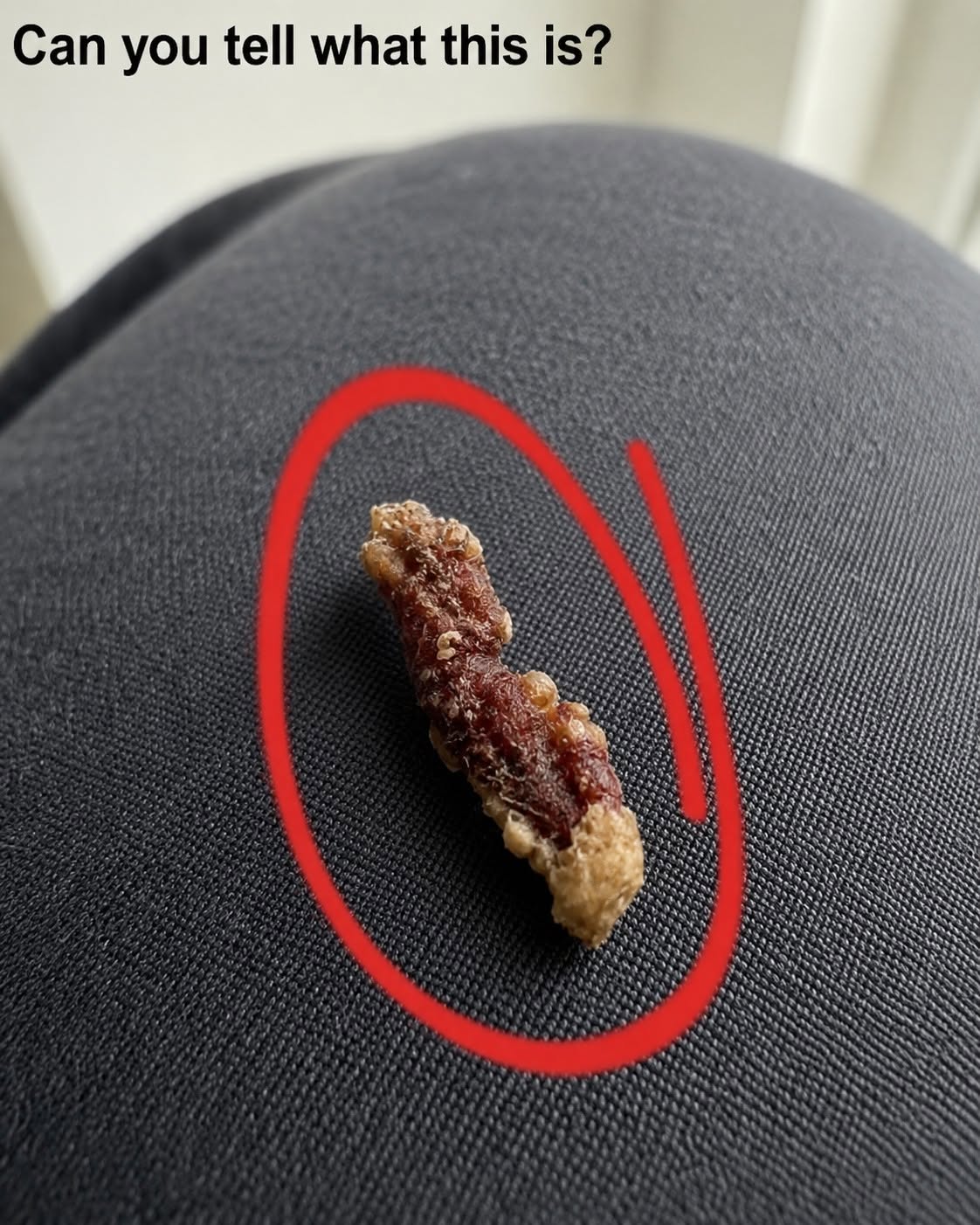
Why Does Your Brain Create Phantom Crawling Sensations?
Let me explain the basic idea.
Your brain receives a constant stream of sensory information from your skin—touch, pressure, temperature, pain, vibration, and movement.
Most of the time, your brain filters out sensations that aren’t important. You don’t spend your day thinking about the feeling of your clothes against your skin, the pressure of a chair, or a sheet touching your arm.
But when you’re stressed, anxious, or severely sleep-deprived, you may become more sensitive and hyperaware of normal bodily sensations.
A bedsheet shifting, a muscle twitching, a hair brushing against your skin, or a small change in pressure can suddenly feel much more significant.
Your brain may then interpret that harmless sensation as something threatening—such as an insect crawling on you.
The more you focus on the sensation, the more noticeable it can become. The more noticeable it becomes, the more anxious you feel. That anxiety can make it harder to sleep, which can make you even more sensitive the next night.
It can become a vicious cycle.
Other Possible Causes of Nighttime Crawling Sensations
Before assuming that a crawling sensation is simply formication, it’s worth considering other possibilities.
Restless Legs Syndrome (RLS)
Restless legs syndrome can cause an uncontrollable urge to move the legs, often accompanied by uncomfortable sensations such as crawling, tingling, pulling, or aching.
Symptoms typically become worse during periods of rest and are often more noticeable at night. Movement may temporarily relieve the discomfort.
If the sensation is mainly in your legs rather than your back or other parts of your body, RLS could be one possibility to discuss with a doctor.
Peripheral Neuropathy
Nerve damage can cause tingling, burning, numbness, or unusual crawling sensations, particularly in the hands and feet.
Peripheral neuropathy can have many causes, including diabetes, vitamin deficiencies, certain medications, chemotherapy, and other medical conditions.
If you have diabetes or another condition that can affect your nerves, mention the sensation to your doctor.
Shingles
Shingles can sometimes cause pain, tingling, burning, or unusual skin sensations before the characteristic rash appears.
If the sensation occurs on one side of your body and is followed by a painful or blistering rash, seek medical advice promptly.
Dry Skin
Very dry skin can cause itching, irritation, and sensations that may feel like crawling, particularly during cold weather or in dry indoor environments.
If your skin feels tight, flaky, or itchy, applying a fragrance-free moisturizer may help.
What About Actual Bugs?
Let’s not dismiss real insects entirely.
If you suspect bed bugs, look for signs such as:
- Small blood spots on sheets or bedding
- Dark spots or stains around mattress seams
- Shed skins or other insect evidence
- Bites or itchy skin reactions
Lice typically cause intense itching of the scalp, along with visible lice or nits attached to individual hairs.
Scabies can cause intense itching, often worse at night, along with small bumps or characteristic burrows in areas such as between the fingers, around the wrists, or on other parts of the body.
If you find evidence of an infestation, contact an appropriate pest-control professional. If you have unexplained itching, a rash, or other skin symptoms, talk to a healthcare professional.
The important thing is not to assume that every crawling sensation means you have an infestation.
What to Do If You Feel Something Crawling on Your Skin
Here’s a calm, practical approach.
Step 1: Do a Quick Check
Look for:
- Visible insects
- Bites or a rash
- Blood spots on your sheets
- Unusual debris around mattress seams
If you don’t find any evidence, try not to panic.
Step 2: Check Your Stress and Sleep
Ask yourself:
- Have I been unusually stressed lately?
- Have I been sleeping poorly?
- Have I recently changed medications?
- Have I been drinking more caffeine or alcohol than usual?
- Have I become unusually focused on bodily sensations?
Your answers may provide useful clues.
Step 3: Improve Your Sleep Routine
Try to:
- Go to bed and wake up at consistent times.
- Reduce screen use before bedtime.
- Keep your bedroom cool, dark, and quiet.
- Avoid excessive caffeine late in the day.
- Limit alcohol, especially close to bedtime.
Step 4: Reduce Stress
Relaxation techniques can be helpful, including:
- Deep breathing
- Gentle stretching
- Meditation
- Journaling
- A quiet bedtime routine
Even a few minutes of deliberate relaxation may help you break the cycle of anxiety and hyperawareness.
Step 5: Moisturize
If your skin is dry or irritated, use a gentle, fragrance-free moisturizer, especially after bathing.
Step 6: Talk to a Doctor if It Persists
If the sensation continues, keeps returning, interferes with sleep, or occurs alongside other symptoms, make an appointment with your doctor.
A healthcare professional can help determine whether the cause is related to stress, medication, skin irritation, nerve problems, nutritional issues, or another medical condition.
When Should You See a Doctor?
Don’t ignore persistent or unexplained symptoms.
Seek medical advice if the sensation is accompanied by:
- Weakness or significant numbness
- Persistent tingling or burning
- A rash or visible skin changes
- Severe or worsening pain
- Fever or other signs of illness
- Unexplained weight loss or significant fatigue
- Symptoms that consistently affect only one side of the body
- A known condition that can affect the nerves
- Symptoms that continue or interfere with your daily life or sleep
If symptoms are sudden or severe, especially if they involve weakness, confusion, difficulty speaking, or other neurological changes, seek urgent medical attention.
How I Finally Solved My Mystery
After my doctor explained what might be happening, I took a hard look at my life.
I was stressed. Very stressed.
I was sleeping poorly. I was drinking too much coffee. And I was lying in bed for hours, tense and hyperaware, waiting to feel “it” again.
Ironically, constantly checking for the sensation seemed to make me notice it even more.
My doctor suggested focusing on three things:
- Stop constantly searching for bugs. The more I obsessed over the possibility of insects, the more alert I became to every tiny sensation.
- Create a wind-down routine. I started putting away my screens before bed, stretching gently, and spending a few quiet minutes focusing on my breathing.
- Address my sleep and stress. Rather than relying on a supplement as a quick fix, I focused on improving the habits that were clearly making my nights worse.
The first night, I still felt the crawling sensation.
But this time, I didn’t jump out of bed.
I took a deep breath, reminded myself that there might be a harmless explanation, and focused on relaxing instead of searching.
The second night, it was less intense.
By the end of the week, it had disappeared.
No exterminator.
No bug bombs.
No sleeping with the lights on.
Just less stress, better sleep, and a calmer approach to the sensations I was experiencing.
A Reassuring Conclusion
Here’s what I want you to take away from this story.
Feeling as though something is crawling on your skin while you’re lying in bed can be genuinely terrifying. It’s an instinctive reaction that can make you sit upright, turn on every light, and start searching your sheets immediately.
But a crawling sensation doesn’t automatically mean there are bugs.
Sometimes unusual sensations can be related to stress, sleep deprivation, skin irritation, nerve problems, medications, or other causes. Formication is one possible explanation—but it shouldn’t be assumed without considering the bigger picture.
Before you throw out your mattress, take a breath and look for actual evidence.
And if the sensation keeps happening, becomes severe, or comes with other symptoms, talk to your doctor rather than trying to diagnose yourself.
I still occasionally notice strange sensations on particularly stressful nights. But now I understand that the sensation itself doesn’t necessarily mean something is crawling on me.
And knowing that makes it much easier to stay calm.
No bug spray required.
Have you ever woken up feeling as though something was crawling on you? Did you find an actual bug, or