Signs That Flour Has Gone Bad: What to Watch For
Determining whether flour has gone bad involves checking for a few key signs. Spoiled flour may develop a musty, sour, or rancid smell. Changes in color, the presence of insects or larvae, and clumps caused by moisture can also indicate that the flour should be discarded. Always inspect your flour carefully and smell it before using it.
Storing Flour Properly: Tips and Best Practices
Proper storage can significantly extend the life of flour. Keep flour in an airtight container to protect it from moisture, air, and pests. Store it in a cool, dark, and dry place, such as a pantry. For longer-term storage, consider refrigerating or freezing flour. When stored properly, some types of flour can remain usable for a year or longer. Be sure to label containers with the purchase or storage date so you can keep track of their age.
The Science Behind Flour Spoilage
Flour can spoil because its natural oils gradually break down and become rancid. Exposure to air, heat, light, and moisture can accelerate this process. Mold and other microorganisms can also develop if flour becomes damp or is stored improperly. Understanding these causes of spoilage highlights the importance of proper storage.
Health Risks of Using Spoiled Flour
Using flour past its “best by” date does not automatically mean that it is unsafe. However, flour that shows signs of spoilage, mold, moisture damage, or pest contamination should be discarded. Raw flour can also contain harmful bacteria, regardless of its age, so it should not be eaten uncooked. Cooking or baking flour thoroughly helps reduce this risk.
Baking With Old Flour: Does It Affect Taste?
Old flour can affect the taste and quality of baked goods, particularly if it has become stale or rancid. It may give baked goods an unpleasant flavor or odor, and older flour may not perform as well in some recipes. For the best flavor and texture, using fresh, properly stored flour is generally the better choice.
Expert Advice on Flour Shelf Life
Rather than relying solely on the “best by” date, it is important to consider the type of flour, how it has been stored, and its condition. Properly stored all-purpose flour may remain usable beyond its printed date, while whole-grain and nut-based flours tend to spoil more quickly. When in doubt, check the flour for unusual smells, discoloration, moisture, insects, or other signs of spoilage.
Conclusion: Play It Safe With Your Baking Ingredients
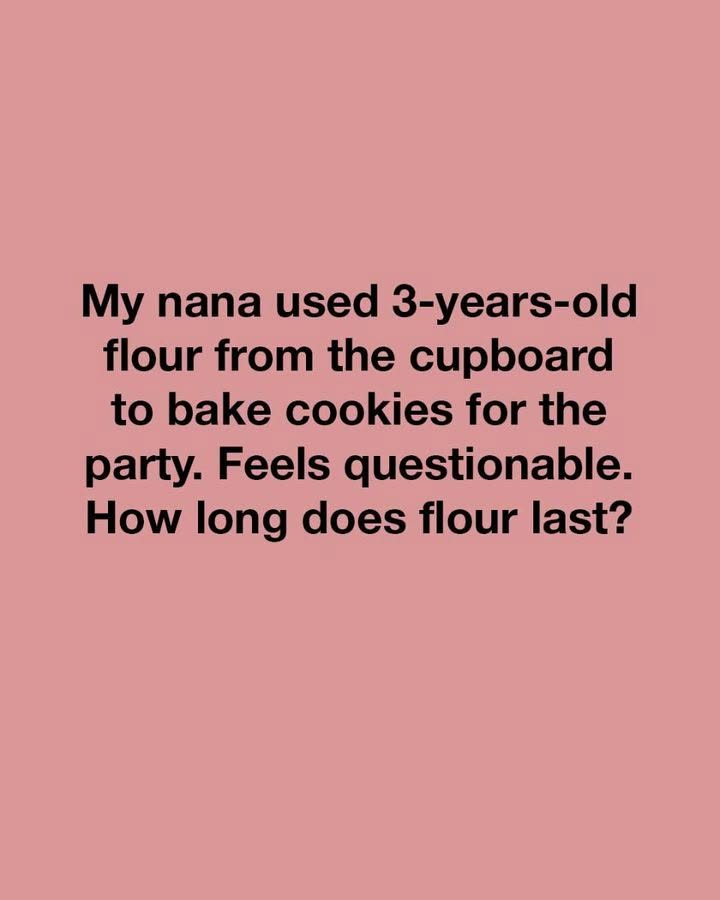
While it may be tempting to use that old bag of flour sitting in the cupboard, it is important to check its condition before adding it to your recipe. Flour that has been stored properly may remain usable beyond its “best by” date, but flour that smells rancid, shows signs of mold or pests, or has been exposed to moisture should be thrown away.
So, before your next batch of cookies, take a moment to check the age and condition of your flour. A quick inspection can help ensure that your next baking adventure is both safe and delicious.