6. Reduce Sugary Foods and Drinks
Oral bacteria use sugars to produce acids that contribute to tooth decay.
Limiting sugary drinks, sweets, and sticky snacks can help reduce the conditions that allow harmful plaque to accumulate and contribute to cavities.
7. Consider an Antibacterial Mouthwash
Some therapeutic mouthwashes can help reduce oral bacteria and plaque when used as directed.
Mouthwash should be considered an addition to—not a replacement for—brushing with fluoride toothpaste and cleaning between your teeth.
If you have sensitive teeth, gum problems, or other oral-health concerns, ask your dentist which mouthwash is appropriate for you.
Can Baking Soda or Coconut Oil Remove Plaque?
Baking soda can help clean the teeth and may help remove some surface stains when used appropriately. However, it cannot safely remove hardened tartar.
Oil pulling with coconut oil may reduce certain oral bacteria, but evidence that it provides significant dental benefits is limited. It should not replace brushing, flossing, fluoride toothpaste, or professional dental care.
Most importantly, avoid aggressive scrubbing or using abrasive substances in an attempt to scrape tartar from your teeth. Doing so can irritate your gums or damage the surfaces of your teeth.
When Should You See a Dentist?
If you notice any of the following, consider scheduling a dental examination:
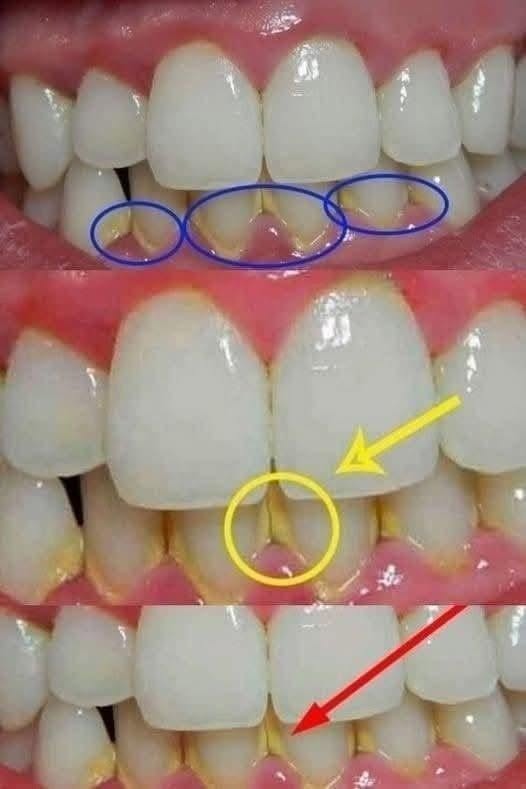
- Yellow or brown deposits that do not brush away
- Bleeding gums
- Persistent bad breath
- Swollen, red, or tender gums
- Tooth sensitivity
- Loose or painful teeth
Visible hardened deposits may be tartar, which cannot usually be removed effectively at home.
Regular professional cleanings can remove tartar and help prevent or manage gum disease.
The Bottom Line
There is no natural remedy that can safely remove hardened tartar in five minutes.
The most effective approach is consistent oral hygiene: brush twice a day with fluoride toothpaste, clean between your teeth daily, maintain a balanced diet, stay hydrated, and visit your dentist regularly.
Natural habits can support good oral health, but they are not a substitute for professional dental care when tartar has already formed.
With consistent care, you can keep your teeth cleaner, support healthier gums, and reduce plaque buildup over time.