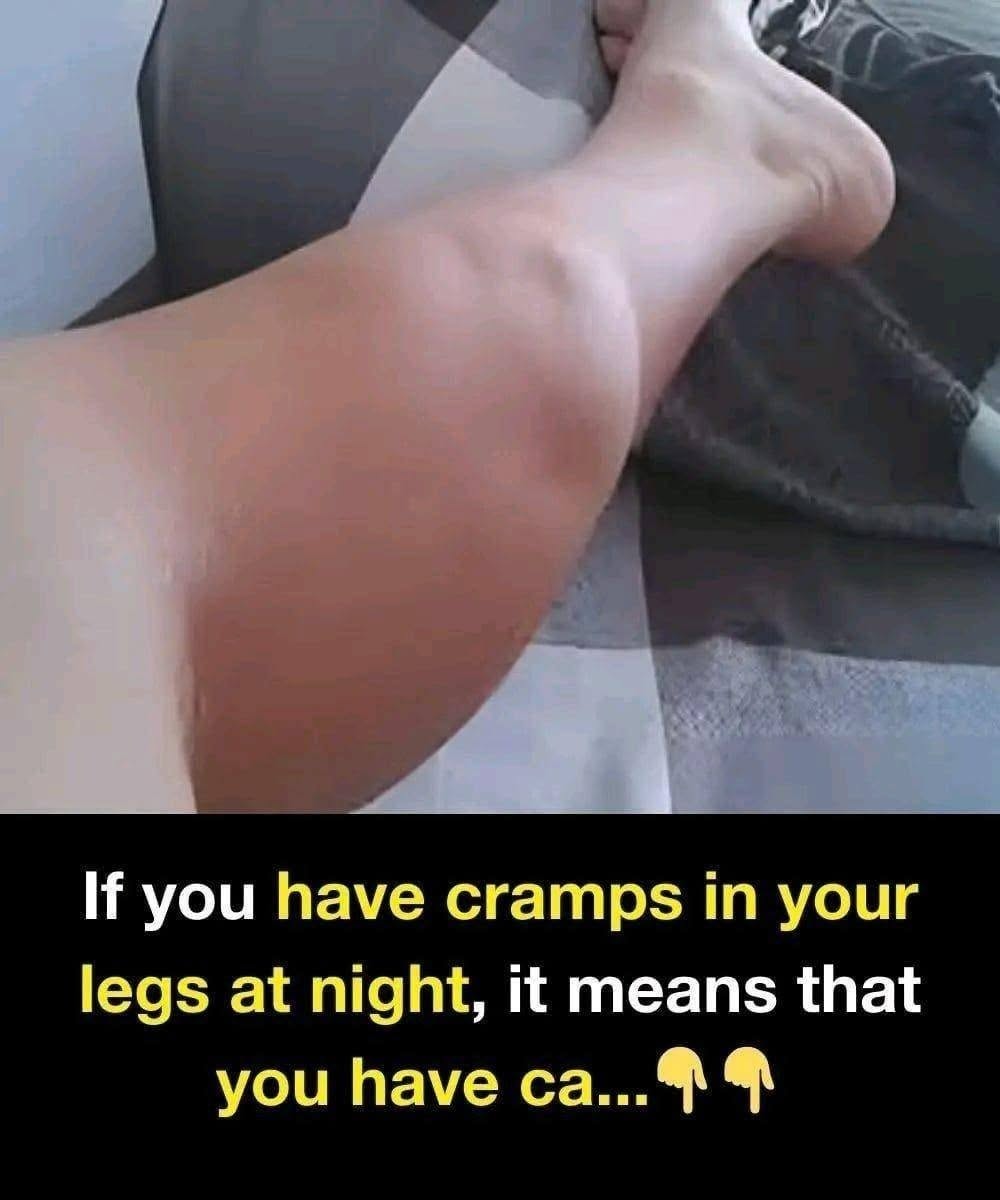
🏃 People Who Exercise Frequently or Strenuously
If you exercise regularly or place significant demands on your muscles, you
may be more likely to experience cramps.
Common triggers include:
- Muscle fatigue
- Overuse
- Sudden increases in exercise intensity
- Inadequate recovery
Even a long walk or unusually intense workout can sometimes contribute to muscle cramps later in the day or during the night.
💧 People Who Are Dehydrated
Dehydration may increase the likelihood of muscle cramps, particularly after heavy sweating or prolonged physical activity.
When you lose significant amounts of fluid and electrolytes, normal muscle function can be affected.
This can be more of a concern in hot weather, during intense exercise, or when sweating heavily.
🧂 People with Certain Mineral or Electrolyte Imbalances
Abnormal levels of certain minerals and electrolytes may contribute to muscle cramps, including:
- Magnesium
- Potassium
- Calcium
However, not every case of night cramps is caused by a mineral deficiency. Taking supplements without knowing whether you actually need them is not always helpful and can sometimes be harmful.
💊 People Taking Certain Medications
Some medications may increase the risk of muscle cramps in certain people.
Examples include:
- Diuretics (“water pills”)
- Statins used to lower cholesterol
- Some medications used to treat high blood pressure
If your cramps began or became more frequent after starting a new medication, don’t stop taking it on your own. Instead, discuss the symptoms with your healthcare provider.
🪑 People Who Are Less Active
Long periods of sitting or inactivity may contribute to muscle stiffness and reduced mobility.
People who spend much of the day sitting may experience:
- Tight calf muscles
- Reduced flexibility
- Muscle stiffness
Regular movement and gentle stretching may help some people reduce their risk of cramps.
🩺 People with Certain Health Conditions
Some medical conditions may be associated with a higher risk of muscle cramps, including:
- Diabetes
- Peripheral artery disease
- Kidney disease
- Hypothyroidism
- Certain nerve or muscle disorders
These conditions can affect nerves, circulation, muscles, or the body’s electrolyte balance.
💡 Common Triggers You Might Not Notice
Even if you don’t fall into a high-risk group, certain factors may contribute to nighttime cramps.
These can include:
- Sleeping with your feet pointed downward
- Keeping your legs in the same position for long periods
- Muscle fatigue
- Sudden changes in activity levels
- Certain medications
- Dehydration or significant fluid loss
Small factors can sometimes add up.
🛠️ How to Reduce Your Risk
The good news is that a few simple habits may help reduce the frequency of night cramps.
✔️ Stay Hydrated
Drink fluids regularly throughout the day, especially when exercising or sweating heavily.
✔️ Stretch Gently
Gentle calf and leg stretches before bed may help some people. Avoid forcing a stretch or bouncing while stretching.
✔️ Stay Active
Regular movement can help maintain muscle strength and flexibility. However, avoid suddenly increasing your exercise intensity without giving your body time to adapt.
✔️ Eat a Balanced Diet
A varied diet provides important nutrients needed for normal muscle and nerve function.
Good sources of magnesium, potassium, and calcium include:
- Leafy green vegetables
- Nuts and seeds
- Beans and legumes
- Dairy products
- Fruits and vegetables
✔️ Review Your Medications
If nighttime cramps started after beginning a new medication, speak with your doctor or pharmacist. They can determine whether the medication could be contributing to the problem and whether any changes are appropriate.
❓ Frequently Asked Questions
Are night cramps dangerous?
Most nighttime leg cramps are not dangerous, although they can be extremely painful and disruptive.
However, frequent, severe, or unexplained cramps can sometimes be associated with an underlying medical condition or medication.
How are night cramps different from Restless Legs Syndrome?
Night cramps cause a sudden, painful tightening of a muscle.
Restless Legs Syndrome causes an urge to move the legs, often accompanied by uncomfortable sensations. It does not usually cause the sudden, intense muscle contraction associated with a cramp.
What should I do when a cramp happens?
Try to:
- Gently stretch the affected muscle
- Massage the area
- Stand up or walk slowly if you can do so safely
- Relax the muscle and give it time to release
For a calf cramp, gently pulling the toes toward your face can help stretch the calf.
When should I see a doctor?
Consider speaking with a healthcare professional if your cramps are:
- Frequent or getting worse
- Severe or unusually painful
- Regularly interfering with your sleep
- Accompanied by muscle weakness, numbness, or swelling
- Associated with other concerning symptoms
- Starting after a new medication
Seek prompt medical attention if you have new, significant leg swelling, redness, warmth, severe pain, or symptoms such as chest pain or shortness of breath, as these can indicate a more serious problem.
❤️ Final Thoughts
Night cramps can feel random and frustrating, but they may be influenced by factors such as muscle fatigue, dehydration, medications, age, pregnancy, or certain health conditions.
Understanding your personal risk factors is a good first step toward reducing them.
Simple habits—such as staying hydrated, staying active, maintaining flexibility, and eating a balanced diet—may help. If cramps are frequent, severe, or interfering with your sleep, it’s worth discussing them with a healthcare professional.
And if you’ve found a simple trick that helps prevent those midnight wake-up calls, share it—your experience might help someone else sleep a little better tonight. 🌙