4. Yellow Nails: Often Fungal, but Not Always
What it looks like: Nails that develop a yellow, thickened, or discolored appearance.
What it might mean: Fungal nail infections are a common cause of yellow or discolored nails. Other possibilities include repeated use of nail polish, certain medications, psoriasis, and, less commonly, systemic conditions such as some respiratory or lymphatic disorders.
What to do: Persistent yellowing, thickening, crumbling, or separation of the nail from the nail bed should be evaluated by a healthcare professional. Proper diagnosis is important because fungal infections and other causes require different treatments.
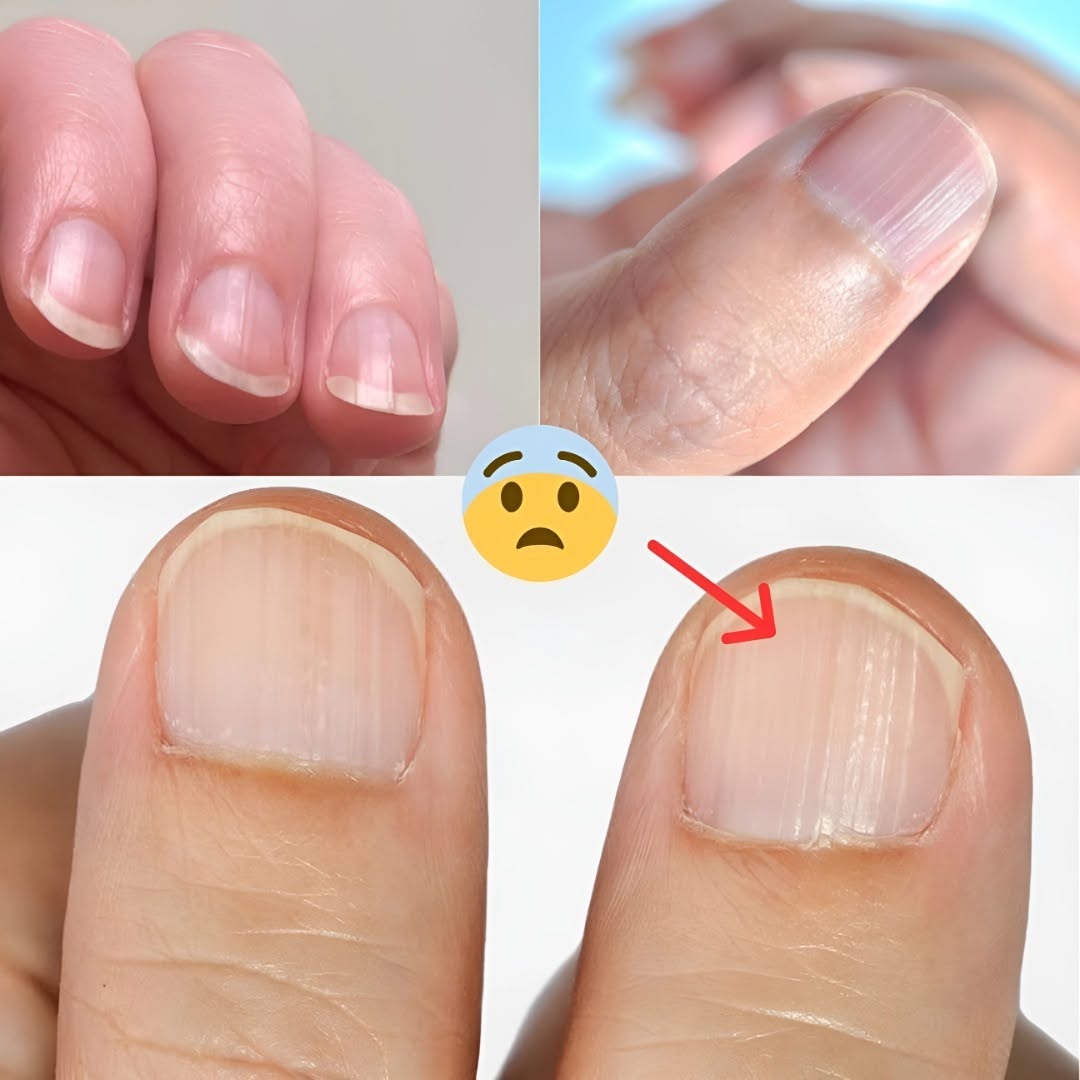
5. Brittle Nails: Many Possible Causes
What it looks like: Nails that split, peel, crack, or break easily.
What it might mean: Brittle nails can result from frequent exposure to water, soaps, detergents, solvents, or other chemicals. Aging can also make nails more fragile. In some cases, brittle nails may be associated with conditions such as thyroid disorders or nutritional deficiencies.
What to do: Keep your nails moisturized, wear gloves when using cleaning products, and avoid prolonged exposure to water and harsh chemicals. If brittleness is persistent or accompanied by other symptoms, speak with a healthcare professional.
6. Nail Clubbing: A Possible Sign of an Underlying Disease
What it looks like: The fingertips become enlarged and the nails curve more prominently around the fingertips, creating a rounded or dome-like appearance.
What it might mean: Nail clubbing can be associated with certain lung, heart, gastrointestinal, liver, and other systemic conditions. In some people, it can also be inherited and harmless.
What to do: New or unexplained clubbing should be evaluated by a healthcare professional, particularly if it develops alongside symptoms such as shortness of breath, persistent cough, or unexplained weight loss.
7. Dark Lines Under a Nail: When to Get Them Checked
What it looks like: A brown or black vertical band running from the base toward the tip of the nail.
What it might mean: Dark nail streaks, known as longitudinal melanonychia, can have many causes and are more common in people with darker skin tones. However, a new or changing dark streak can occasionally be a sign of subungual melanoma, a rare form of skin cancer that develops beneath the nail.
What to do: Do not assume that every dark streak is melanoma, but have a new, widening, irregular, or changing streak evaluated by a dermatologist—especially if the pigment extends onto the surrounding skin.
Other Nail Changes to Watch For
White spots: Often caused by minor trauma to the nail rather than a mineral deficiency.
Bluish nails: Can sometimes be associated with reduced oxygen levels or circulation, although other causes are possible.
Nail pitting: Small depressions in the nail surface that can occur with conditions such as psoriasis and some inflammatory disorders.
How to Keep Your Nails Healthy
Eat a balanced diet: Get enough protein, vitamins, and minerals from a varied diet.
Protect your nails: Wear gloves when doing household chores and handling cleaning products.
Moisturize regularly: Apply moisturizer to your hands, nails, and cuticles, especially after washing.
Avoid unnecessary damage: Limit aggressive manicures, picking, biting, and prolonged exposure to water or chemicals.
Pay attention to changes: New, persistent, painful, or rapidly changing nail abnormalities deserve medical evaluation.
Final Thoughts
Your nails can sometimes provide useful clues about your health, but a nail change alone does not necessarily mean you have an underlying disease. Many nail abnormalities have harmless explanations, while others require professional evaluation.
If you notice a new or persistent change in the color, shape, texture, or growth of a nail, especially a changing dark streak or new clubbing, consult a qualified healthcare professional rather than trying to diagnose the cause yourself.