You may have seen posts on social media or in wellness circles claiming that boiling eggshells can prevent or even treat diseases. Some describe eggshells as a “miracle cure” for everything from bone loss to joint pain.
The truth is more nuanced—and much less dramatic.
Eggshells do contain valuable nutrients, particularly calcium, but they are not a cure-all. Boiling eggshells can help reduce bacterial contamination, but it does not unlock magical healing properties or transform them into a treatment for disease.
This isn’t about dismissing traditional wisdom or natural remedies. It’s about separating what scientific evidence actually supports from claims that are based on anecdotes, misunderstandings, or wishful thinking. When it comes to your health, you deserve information you can trust.
What Do Eggshells Actually Contain?
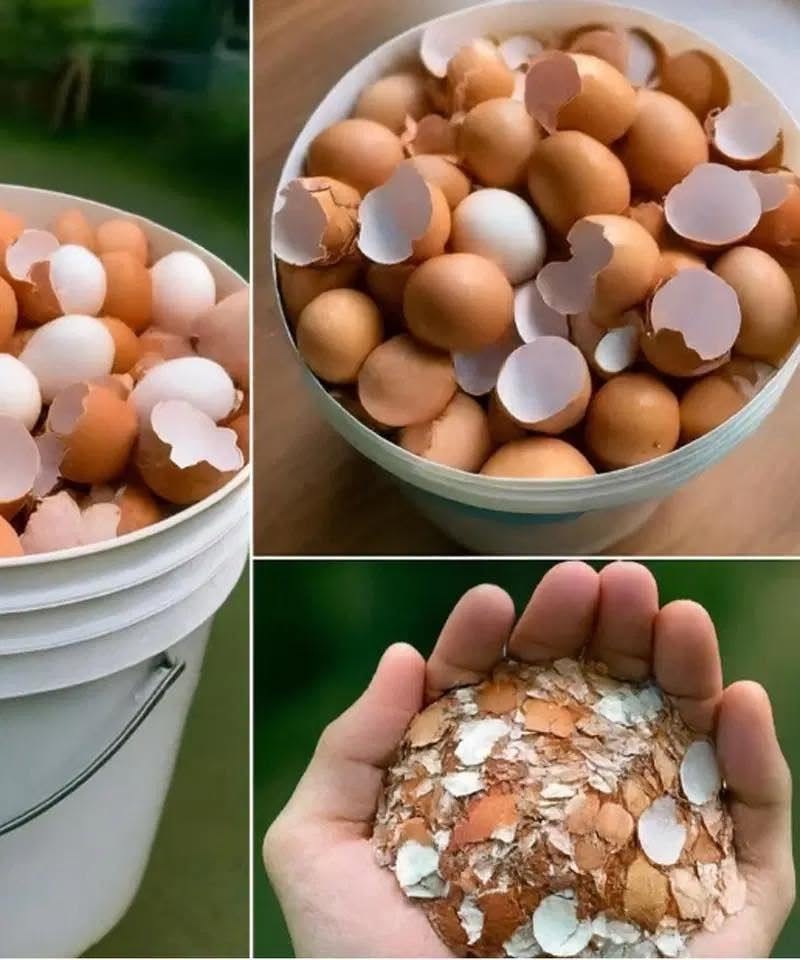
Eggshells are composed of approximately 95% calcium carbonate, along with small amounts of protein, magnesium, strontium, and other trace minerals.
The exact amount of calcium depends on the size of the shell, but eggshells can provide a substantial amount. Roughly half an eggshell may contain around 1,000 mg of calcium, although this should not be treated as a precise dose.
The thin membrane attached to the inside of the shell is different from the hard shell itself. Eggshell membrane contains compounds such as collagen, glucosamine, chondroitin, and hyaluronic acid, which have been studied for their potential roles in joint and skin health.
But there is an important distinction:
Containing a nutrient does not mean that a food or supplement can cure a disease.
Calcium is important for maintaining healthy bones and teeth. Compounds found in eggshell membrane may have potential benefits for joint health. Neither is, by itself, a proven treatment for osteoporosis, arthritis, cancer, heart disease, diabetes, or infections.
What Does the Research Actually Show?
Bone health
Research has investigated eggshell-derived calcium as a potential calcium source, including studies involving postmenopausal women.
Some studies suggest that eggshell calcium, particularly when combined with nutrients such as vitamin D and magnesium, may help support bone mineral density. However, this does not mean that homemade eggshell powder can replace medically recommended treatment for osteoporosis.
People with osteoporosis should follow an individualized treatment plan developed with a qualified healthcare professional.
Calcium absorption
Some research suggests that calcium from eggshells can be absorbed effectively and may be comparable to calcium from purified calcium carbonate supplements.
However, “natural” does not automatically mean “better.” Commercial calcium supplements have advantages such as standardized dosing, quality control, and clearly stated amounts of active ingredients.
Joint comfort
Eggshell membrane, not the hard eggshell itself, has been investigated in clinical trials involving people with joint discomfort and osteoarthritis.
Some studies have reported improvements in joint pain, stiffness, or mobility with standardized eggshell-membrane supplements.
Importantly, standardized eggshell-membrane supplements are not equivalent to homemade eggshell powder. Evidence for one should not automatically be applied to the other.
Does Boiling Eggshells Create Healing Properties?
No.
Boiling primarily helps reduce microbial contamination, which is important because raw eggshells can potentially carry bacteria such as Salmonella.
There is no good evidence that boiling eggshells creates special healing compounds or dramatically increases their ability to treat disease.
In other words:
Boiling may make eggshells safer to handle or consume, but it does not turn them into medicine.
Common Claims: What’s True and What’s Not?
“Boiling eggshells unlocks their healing powers.”
There is no scientific evidence supporting this claim. Boiling can reduce bacterial contamination, but it does not magically change eggshells into a disease treatment.
“Eggshells cure disease.”
There is no credible evidence that eggshells can cure cancer, heart disease, diabetes, infections, or other serious diseases.
Some studies may show that calcium or eggshell membrane has a specific biological effect. That is very different from proving that eggshells can prevent or cure disease.
“If some calcium is good, more must be better.”
Not necessarily.
Calcium is essential, but excessive calcium intake can cause problems in some people, including constipation and an increased risk of kidney stones. Very high calcium levels in the blood can also be dangerous.
More is not automatically better.
Safety First: Why Preparation Matters
If you decide to consume eggshell powder, preparation and dosage deserve careful attention.
Boil the shells
Eggshells can potentially be contaminated with bacteria. Thorough heating can reduce this risk.
Grind them very finely
Do not swallow large or sharp pieces of eggshell. They may irritate or injure the mouth, throat, or digestive tract.
Consider the source
Eggshells can contain trace amounts of environmental contaminants, including heavy metals. The amount can vary depending on factors such as the hens’ environment and feed.
Choosing eggs from a reputable source may help reduce some contamination concerns, but organic or pasture-raised does not guarantee that eggshells are free from heavy metals or other contaminants.
Be careful with medications and medical conditions
Calcium can interfere with the absorption of certain medications, including some thyroid medications and antibiotics.
If you have kidney disease, a history of kidney stones, high blood calcium, osteoporosis, or another condition affected by calcium intake—or if you take medications regularly—talk with a healthcare professional before using eggshell powder as a supplement.
If You Choose to Use Eggshell Powder
Eggshell powder should be viewed as a calcium source, not a disease treatment.
A cautious preparation method includes:
- Clean the shells: Rinse the empty shells thoroughly to remove visible egg residue.
- Heat the shells: Boil or otherwise thoroughly heat them to reduce bacterial contamination.
- Dry them completely: Spread the shells on a clean baking sheet and dry them thoroughly.
- Grind them finely: Use a clean grinder or mortar and pestle to produce a very fine powder.
- Store appropriately: Keep the powder in a clean, dry, airtight container.
- Be mindful of dosage: Eggshell powder is highly concentrated in calcium, so avoid assuming that more is better.
The exact calcium content of homemade eggshell powder can vary considerably, making precise dosing difficult.
For people who actually need calcium supplementation, a quality-controlled commercial supplement may be easier and safer to dose accurately.
When Should You Speak With a Healthcare Professional?
Talk with a healthcare professional before using eggshell powder if you:
- Have osteoporosis or another bone disorder.
- Have kidney disease or a history of kidney stones.
- Have high blood calcium levels.
- Have a heart or other chronic medical condition.
- Take prescription medications regularly.
- Are pregnant or breastfeeding.
- Have an egg allergy.
- Have persistent pain, fatigue, or unexplained symptoms.
Most importantly, don’t use eggshells to delay or replace appropriate medical diagnosis and treatment.
Frequently Asked Questions
Can boiling eggshells make them safer to eat?
Boiling or thoroughly heating eggshells can reduce bacterial contamination, including bacteria such as Salmonella. However, heating does not remove potential heavy metals or make eggshells completely risk-free.
Is eggshell calcium better than store-bought calcium supplements?
Not necessarily.
Some research suggests that eggshell calcium can be effectively absorbed, but commercial supplements offer advantages such as standardized dosing, quality control, and predictable calcium content.
The best choice depends on an individual’s nutritional needs and medical circumstances.
Can eggshells help with arthritis?
The eggshell membrane, rather than the hard shell, has shown some promise in studies involving joint discomfort.
However, standardized eggshell-membrane supplements are not the same as homemade eggshell powder. More research is needed to determine how useful these products are for different people.
Can eggshells be used in the garden?
Yes. Crushed eggshells contain calcium and can eventually contribute calcium to soil, although they break down relatively slowly.
Claims that eggshells are a highly effective pest-control method are less certain and should not be overstated.
Can I give eggshells to my pet?
Don’t assume that something safe for humans is automatically safe for animals.
Calcium requirements vary significantly between species, ages, and health conditions. Ask your veterinarian before adding eggshell powder to your pet’s diet.
Who should avoid consuming eggshell powder?
People with egg allergies, kidney stones, high blood calcium, certain kidney conditions, or other medical conditions affected by calcium should seek professional advice before consuming eggshell powder.
A Gentle Closing Thought
It’s completely understandable to look for natural, affordable ways to support your health—especially when healthcare can sometimes feel complicated or expensive.
Eggshells do contain a legitimate source of calcium, and research into eggshell calcium and eggshell membrane is interesting. But there is a big difference between “this contains a useful nutrient” and “this cures disease.”
True wellness doesn’t require us to choose between traditional wisdom and modern science