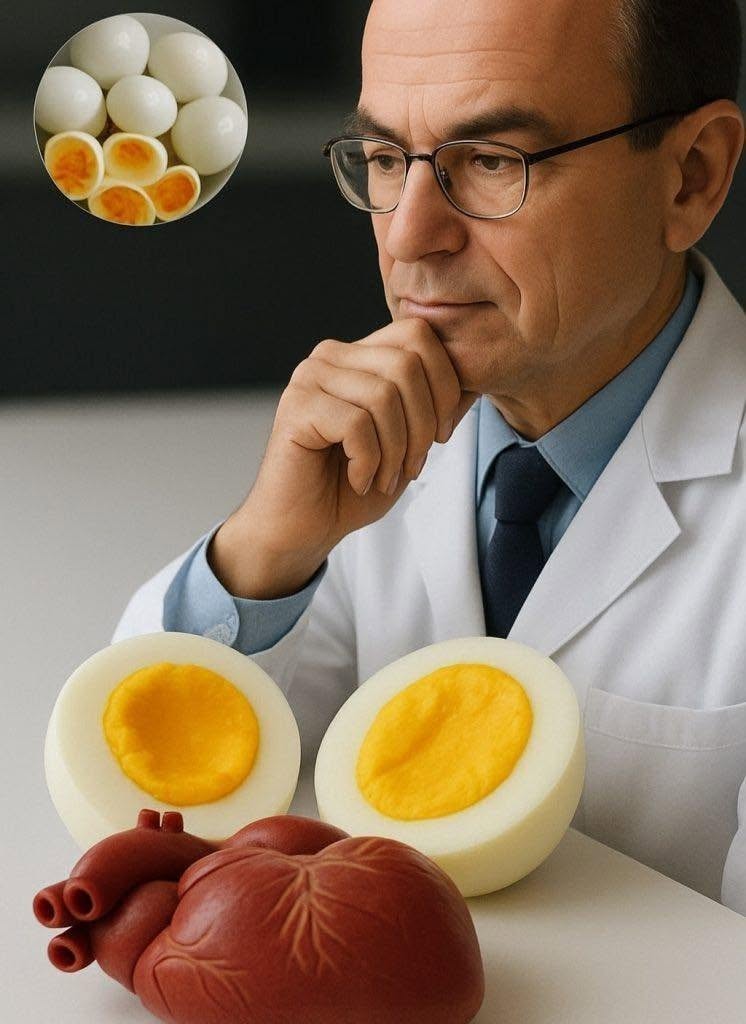
Important Exceptions
People with conditions such as:
Type 2 diabetes
Familial hypercholesterolemia
Established cardiovascular disease
Significantly elevated LDL cholesterol
may benefit from individualized dietary advice from a healthcare professional. For some people, reducing yolk intake while using egg whites as a protein source may be appropriate.
Boiled vs. Fried: Why Preparation Matters
How you prepare eggs can affect the overall nutritional profile of the meal.
Method Overall Consideration Why It Matters
Boiled Generally heart-friendly Requires no added butter or oil
Poached Generally heart-friendly Requires little or no added fat
Fried in butter Less favorable Can add substantial saturated fat
Fried in large amounts of oil Depends on the oil and amount used Adds calories and fat; the overall dietary pattern matters
Boiling is therefore a simple way to prepare eggs without adding butter or other cooking fats. However, it is too strong to say that boiling makes eggs inherently “heart-healthy” or that frying automatically makes them unhealthy. The type and amount of added fat, cooking temperature, and the foods served with the eggs all contribute to the overall nutritional picture.
The Bottom Line: A Balanced Perspective
For most healthy adults, eggs can be part of a heart-supportive eating pattern. A boiled egg is a convenient source of protein and several important nutrients, particularly when paired with foods such as:
Plenty of vegetables and fruits
Whole grains
Healthy sources of unsaturated fats, such as olive oil, nuts, seeds, and avocado
Legumes and other minimally processed foods
Limited amounts of highly processed foods, added sugars, and foods high in saturated fat
The boiled egg isn’t a magic bullet—but neither does it need to be avoided by most people simply because it contains cholesterol. The bigger picture matters: overall diet quality, physical activity, body weight, blood pressure, LDL cholesterol, smoking status, and other cardiovascular risk factors all play important roles in heart health.
If you have diabetes, familial hypercholesterolemia, established heart disease, or high LDL cholesterol, discuss your individual egg intake with your healthcare provider or a registered dietitian.
A simple boiled egg can be a nutritious part of a balanced diet. When it comes to cardiovascular health, moderation and the overall dietary pattern matter far more than any single food.