For decades, eggs carried an unfair reputation in conversations about heart health. Today, science tells a more nuanced story—especially when it comes to boiled eggs. Prepared without added fats, this humble food can provide valuable nutrients and fit into a heart-supportive diet when enjoyed as part of an overall balanced eating pattern. Three Science-Backed Benefits for Vascular Health 1. Complete Protein for Metabolic Health A single large boiled egg provides about 6 grams of high-quality protein containing all nine essential amino acids. Protein supports muscle maintenance and can contribute to satiety and healthy weight management, which are important components of cardiovascular health. 2. Nutrients That Support Overall Health Choline: Eggs are an excellent source of choline, an essential nutrient involved in normal cell function, nerve signaling, and lipid metabolism. Choline also participates in pathways involved in homocysteine metabolism, although that does not mean eating eggs directly lowers cardiovascular risk. Vitamin D: Eggs contain vitamin D, although the amount is relatively modest. Vitamin D has important roles in bone and immune health, while research into its direct effects on cardiovascular health remains ongoing. Lutein and zeaxanthin: Egg yolks contain these carotenoids, which have antioxidant properties and are particularly well known for supporting eye health. Their broader effects on cardiovascular health are still being studied. 3. Satiety That Can Support Weight Management Eggs can be quite filling because they provide protein and other nutrients. Including them in a balanced meal may help support appetite control and healthy weight management. Maintaining a healthy weight can, in turn, reduce the risk of high blood pressure and other cardiovascular risk factors. Addressing the Cholesterol Question The Modern Understanding One large egg contains approximately 186 mg of dietary cholesterol, most of it in the yolk. For many years, dietary cholesterol was treated as a major dietary concern. Current evidence suggests that, for most people, dietary cholesterol has a smaller effect on blood cholesterol levels than saturated and trans fats and the overall quality of the diet. The body’s cholesterol metabolism is complex, and it can adjust its own cholesterol production in response to dietary intake. The 2020–2025 U.S. Dietary Guidelines did not set a specific daily numerical limit for dietary cholesterol, instead emphasizing overall healthy dietary patterns. That said, this does not mean that dietary cholesterol is irrelevant for everyone. Individual responses vary, and the amount of saturated fat and other foods consumed alongside eggs also matters. Important Exceptions People with conditions such as: Type 2 diabetes Familial hypercholesterolemia Established cardiovascular disease Significantly elevated LDL cholesterol may benefit from individualized dietary advice from a healthcare professional. For some people, reducing yolk intake while using egg whites as a protein source may be appropriate. Boiled vs. Fried: Why Preparation Matters How you prepare eggs can affect the overall nutritional profile of the meal. Method Overall Consideration Why It Matters Boiled Generally heart-friendly Requires no added butter or oil Poached Generally heart-friendly Requires little or no added fat Fried in butter Less favorable Can add substantial saturated fat Fried in large amounts of oil Depends on the oil and amount used Adds calories and fat; the overall dietary pattern matters Boiling is therefore a simple way to prepare eggs without adding butter or other cooking fats. However, it is too strong to say that boiling makes eggs inherently “heart-healthy” or that frying automatically makes them unhealthy. The type and amount of added fat, cooking temperature, and the foods served with the eggs all contribute to the overall nutritional picture. The Bottom Line: A Balanced Perspective For most healthy adults, eggs can be part of a heart-supportive eating pattern. A boiled egg is a convenient source of protein and several important nutrients, particularly when paired with foods such as: Plenty of vegetables and fruits Whole grains Healthy sources of unsaturated fats, such as olive oil, nuts, seeds, and avocado Legumes and other minimally processed foods Limited amounts of highly processed foods, added sugars, and foods high in saturated fat The boiled egg isn’t a magic bullet—but neither does it need to be avoided by most people simply because it contains cholesterol. The bigger picture matters: overall diet quality, physical activity, body weight, blood pressure, LDL cholesterol, smoking status, and other cardiovascular risk factors all play important roles in heart health. If you have diabetes, familial hypercholesterolemia, established heart disease, or high LDL cholesterol, discuss your individual egg intake with your healthcare provider or a registered dietitian. A simple boiled egg can be a nutritious part of a balanced diet. When it comes to cardiovascular health, moderation and the overall dietary pattern matter far more than any single food.

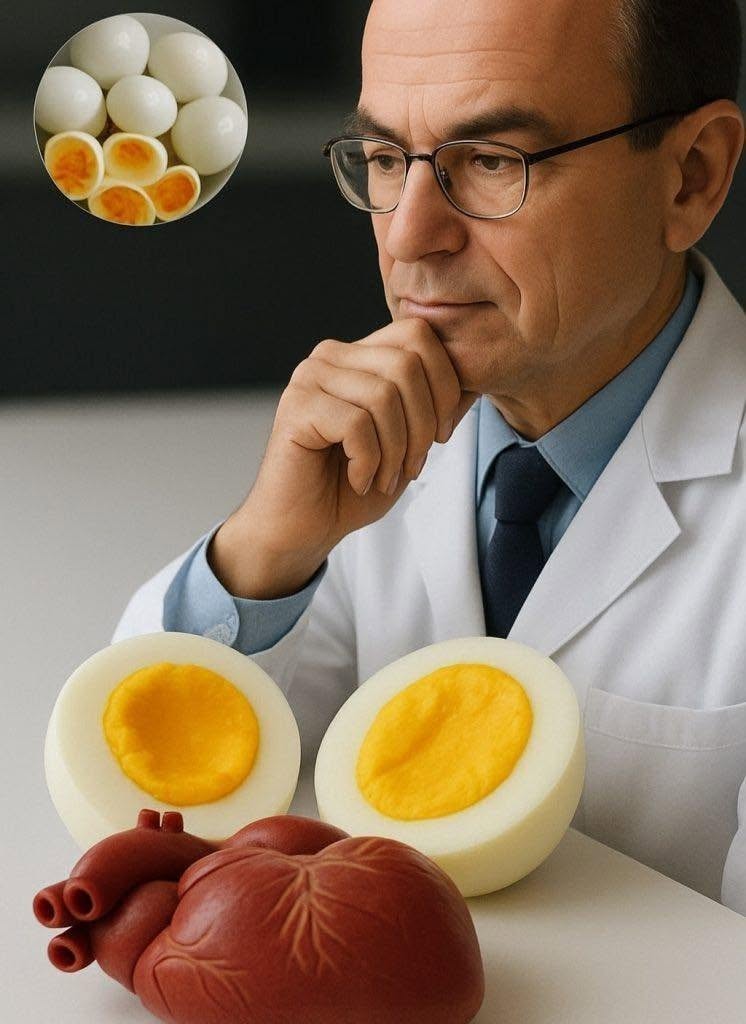
For decades, eggs carried an unfair reputation in conversations about heart health. Today, science tells a more nuanced story—especially when it comes to boiled eggs. Prepared without added fats, this humble food can provide valuable nutrients and fit into a heart-supportive diet when enjoyed as part of an overall balanced eating pattern.

Three Science-Backed Benefits for Vascular Health
1. Complete Protein for Metabolic Health

A single large boiled egg provides about 6 grams of high-quality protein containing all nine essential amino acids. Protein supports muscle maintenance and can contribute to satiety and healthy weight management, which are important components of cardiovascular health.

2. Nutrients That Support Overall Health

Choline: Eggs are an excellent source of choline, an essential nutrient involved in normal cell function, nerve signaling, and lipid metabolism. Choline also participates in pathways involved in homocysteine metabolism, although that does not mean eating eggs directly lowers cardiovascular risk.

Vitamin D: Eggs contain vitamin D, although the amount is relatively modest. Vitamin D has important roles in bone and immune health, while research into its direct effects on cardiovascular health remains ongoing.

Lutein and zeaxanthin: Egg yolks contain these carotenoids, which have antioxidant properties and are particularly well known for supporting eye health. Their broader effects on cardiovascular health are still being studied.

3. Satiety That Can Support Weight Management

Eggs can be quite filling because they provide protein and other nutrients. Including them in a balanced meal may help support appetite control and healthy weight management. Maintaining a healthy weight can, in turn, reduce the risk of high blood pressure and other cardiovascular risk factors.

Addressing the Cholesterol Question
The Modern Understanding

One large egg contains approximately 186 mg of dietary cholesterol, most of it in the yolk. For many years, dietary cholesterol was treated as a major dietary concern. Current evidence suggests that, for most people, dietary cholesterol has a smaller effect on blood cholesterol levels than saturated and trans fats and the overall quality of the diet.

The body’s cholesterol metabolism is complex, and it can adjust its own cholesterol production in response to dietary intake. The 2020–2025 U.S. Dietary Guidelines did not set a specific daily numerical limit for dietary cholesterol, instead emphasizing overall healthy dietary patterns.

That said, this does not mean that dietary cholesterol is irrelevant for everyone. Individual responses vary, and the amount of saturated fat and other foods consumed alongside eggs also matters.

Important Exceptions

see continuation on next page