They were the vegetable children pushed around their plates, the side dish people joked about avoiding, and the food many adults remembered as soft, bitter, and strangely sulfurous.
But Brussels sprouts have undergone something of a comeback.
Today, you’ll find them roasted until crisp, shaved into salads, sautéed with garlic, paired with Parmesan, tossed with balsamic glaze, and even served in upscale restaurants.
So, what changed?
The answer may be simpler than you think: how Brussels sprouts are cooked makes a huge difference.
Why Did Brussels Sprouts Get Such a Bad Reputation?
Brussels sprouts naturally contain sulfur-containing compounds called glucosinolates. These compounds contribute to the distinctive aroma and bitterness associated with cruciferous vegetables such as Brussels sprouts, broccoli, cabbage, and cauliflower.
The problem becomes particularly noticeable when Brussels sprouts are overcooked.
Boiling them for too long can produce the soft texture and strong smell that many people remember from childhood. Overcooking can intensify the unpleasant qualities that gave the vegetable its notorious reputation.
In other words, your childhood hatred of Brussels sprouts may have had less to do with the vegetable itself—and more to do with how it was prepared.
Modern Cooking Changed the Game
Instead of cooking Brussels sprouts until they’re completely soft, modern recipes often focus on high heat and browning.
Roasting allows the outer leaves to become crisp and caramelized while the inside becomes tender.
The browning process creates deeper, nuttier flavors and brings out some of the vegetable’s natural sweetness. Harvard’s Nutrition Source specifically notes that roasting can transform Brussels sprouts into a nutty, almost sweet-tasting vegetable.
That’s a dramatic difference from a pot of overcooked, watery sprouts.
The Easiest Way to Make Brussels Sprouts Delicious
If you’re convinced that you don’t like Brussels sprouts, give roasted sprouts one more chance.
What You’ll Need
- Fresh Brussels sprouts
- Olive oil
- Salt
- Black pepper
- Fresh lemon juice
That’s really all you need for a basic version.
Step 1: Choose Fresh Sprouts
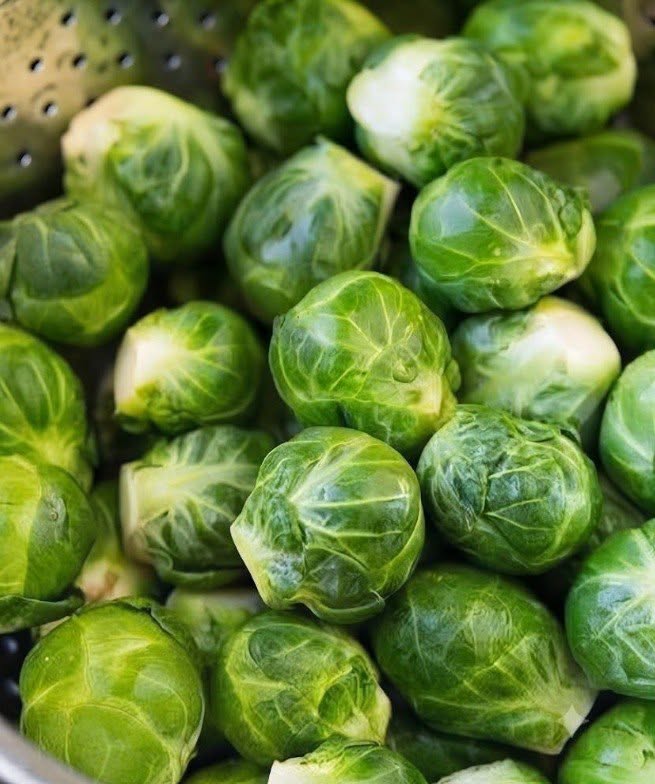
Look for Brussels sprouts that are bright green with tightly packed leaves.
Avoid specimens with extensive yellowing, wilting, or darkened leaves.
Smaller sprouts can also be appealing because they tend to cook relatively quickly.
Step 2: Trim and Halve Them
Rinse the sprouts thoroughly.
Trim away the tough stem ends and remove any damaged outer leaves.
Cut the sprouts in half from top to bottom.
The cut surface is going to become beautifully browned in the oven.
Step 3: Add Oil and Seasoning
Continue to the next page