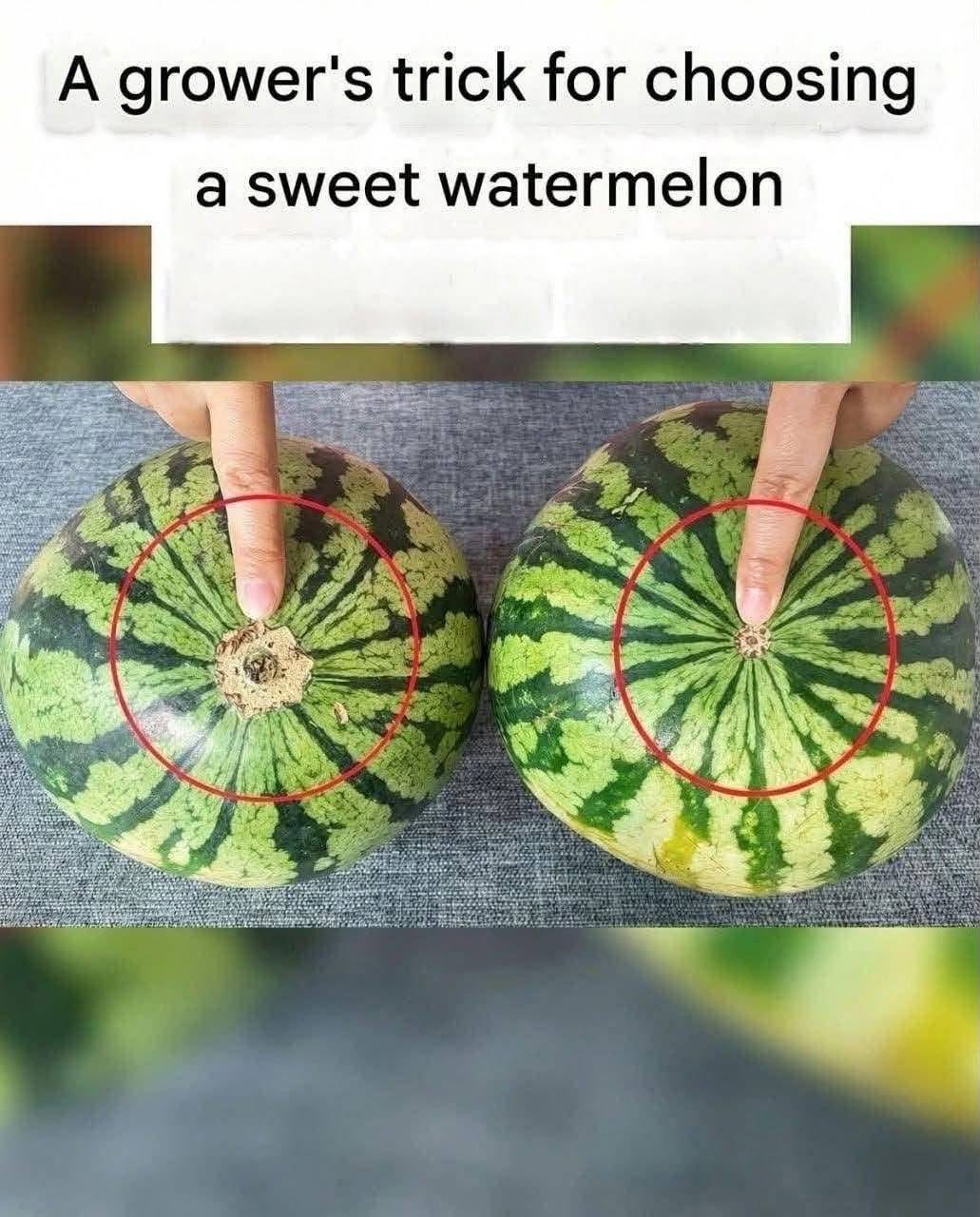
Few things are as refreshing as a perfectly ripe watermelon on a warm day. Whether you’re planning a family picnic, hosting a backyard barbecue, or simply craving a refreshing snack, choosing the right watermelon can make all the difference.
The challenge is that you can’t see what’s inside before you buy it. Fortunately, nature provides several clues on the outside that can help you find a watermelon that’s juicy, sweet, and full of flavor.
Why Learning to Choose a Ripe Watermelon Matters
Not every watermelon is harvested at peak ripeness. Some are perfectly sweet and crisp, while others may taste watery or bland. Knowing what to look for can help you make a more informed choice and increase your chances of bringing home a delicious fruit.
What Makes a Great Watermelon?
A ripe watermelon is typically:
- Naturally sweet
- Juicy and refreshing
- Crisp rather than mushy
- Heavy for its size
- Bright red inside with firm flesh
No single method can guarantee sweetness, but combining several visual and physical clues can improve your chances of selecting a good watermelon.
1. Look for a Dull, Deep Green Rind
The watermelon rind offers one of the first hints about maturity.
Choose watermelons that have:
- A deep green color
- A dull or matte finish
- Firm, smooth skin
Avoid fruit that appears:
- Extremely shiny
- Very pale green
- Soft or damaged
A glossy rind can sometimes be associated with fruit that was harvested before it reached its best maturity, although rind appearance should be considered alongside other signs.
2. Find the Creamy Yellow Field Spot
One of the easiest indicators to check is the field spot. This is the area where the watermelon rested on the ground while growing.
The ideal field spot should be:
- Creamy yellow
- Golden yellow
- Clearly visible
Avoid watermelons with:
- White field spots
- Very light yellow patches
A rich yellow field spot can indicate that the fruit spent sufficient time developing on the plant before harvest.
3. Check the Stripe Pattern
Healthy watermelons often display noticeable contrast between their light and dark green stripes.
Look for:
- Bold, well-defined stripes
- Even coloring
- Consistent patterns across the rind
Stripe patterns alone do not guarantee sweetness, but they can be another useful clue when combined with the other indicators.
4. Examine the Blossom End
Turn the watermelon over and inspect the blossom end, sometimes called the “belly button.”
A quality watermelon typically has:
- A small blossom scar
- A neatly closed end
Larger blossom scars can sometimes be associated with differences in fruit development, but this should not be used as the only measure of ripeness.
5. Pick Up the Watermelon
Weight can be another useful clue when selecting a watermelon.
A ripe watermelon should feel heavy for its size because it contains a large amount of water. If two watermelons are about the same size, choosing the heavier one can be a practical way to select a fruit that may be particularly juicy.
6. Try the Tap Test
see continuation on next page