Is your tan uneven, with small white or reddish spots appearing on certain areas of your skin? A dermatologist explains what may be causing them and how they can be treated.
What could be more pleasant than looking in the mirror after a relaxing day in the sun and noticing a beautiful tan—not only on your face but also on the rest of your body? Of course, that means enjoying the sun responsibly and not forgetting to apply sunscreen.
However, sometimes a tanning session doesn’t go quite as planned.
Some people notice small white or reddish spots appearing on their skin, making their tan look uneven. Dr. Sandra Lee, an American dermatologist, has discussed this condition in a short TikTok video, explaining one possible cause and how it can be treated.
White Spots on the Skin After Sun Exposure: What Causes Them?
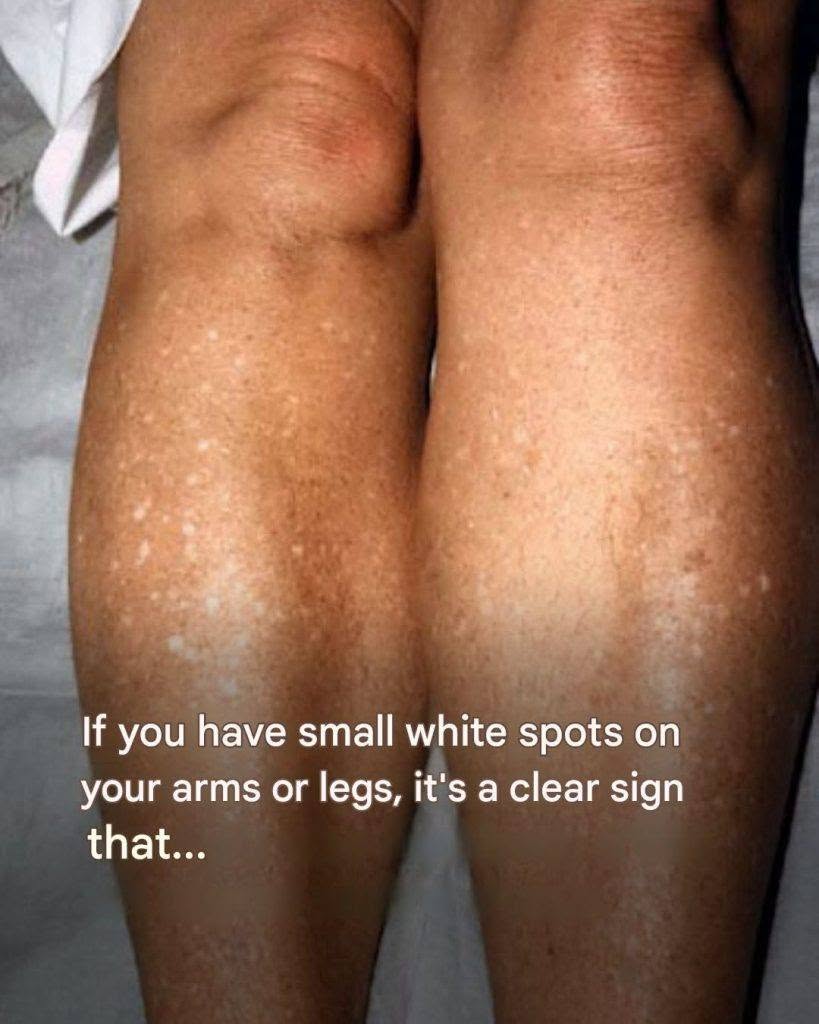
If you notice small white or reddish spots after spending time in the sun, one possible explanation is tinea versicolor, also known as pityriasis versicolor.
This is a common superficial fungal infection caused by an overgrowth of a type of yeast that normally lives on the skin. Warm, humid conditions and sweating can encourage the yeast to multiply, which is why the condition is often more noticeable during the summer.
The spots may appear lighter or darker than the surrounding skin and can occur on the chest, back, shoulders, neck, or upper arms. They may also have a fine, subtle scaling.
The spots can become particularly noticeable after sun exposure because the affected areas may not tan in the same way as the surrounding skin.
If you suspect you have tinea versicolor, it is best to consult a doctor or dermatologist for confirmation. Treatment usually involves an antifungal medication, such as a topical antifungal cream, lotion, or shampoo. In more extensive cases, a doctor may recommend an oral antifungal treatment.
Even after the infection has been successfully treated, the skin may take weeks or months to return to its normal color. This does not necessarily mean that the treatment has failed.
If the spots are new, persistent, spreading, or you are unsure of the cause, a professional examination is recommended because several other skin conditions can produce similar changes in pigmentation.