7 Health Issues That May Show Up in Your Nails
Your nails may seem like a purely cosmetic feature, but changes in their color, texture, or shape can sometimes provide clues about your health. Dermatologists and other medical professionals recognize certain nail changes as possible signs of underlying conditions. However, nail changes are often caused by harmless factors, and they cannot diagnose a condition on their own.
Here are seven nail changes worth knowing about.
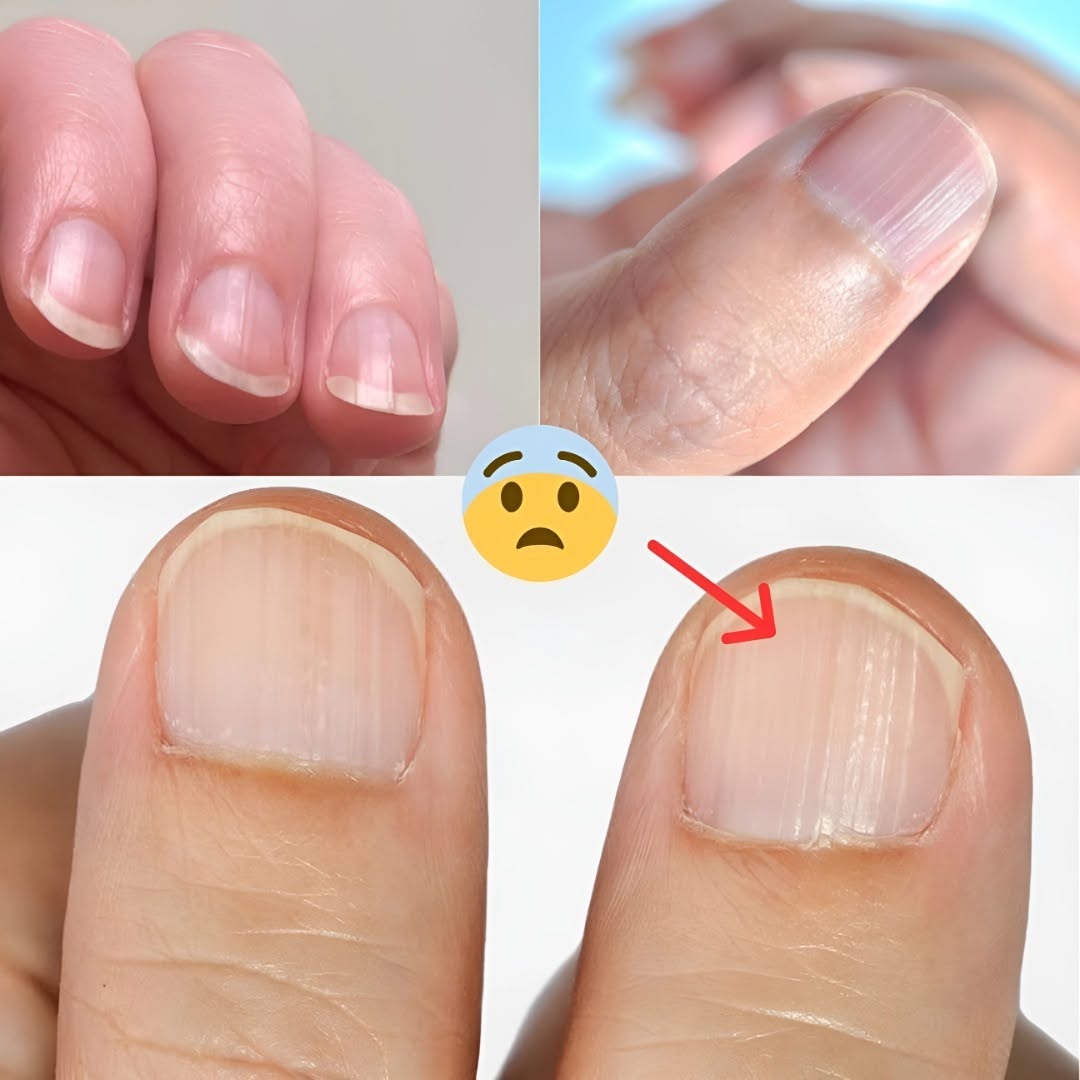
1. Vertical Ridges: Often a Normal Sign of Aging
What it looks like: Thin, raised lines running vertically from the base to the tip of the nail.
What it might mean: Vertical ridges are common and often become more noticeable with age. They are not, by themselves, a reliable sign of vitamin or mineral deficiencies. In some cases, changes in nail texture can occur alongside nutritional deficiencies or other health conditions, but additional symptoms and medical evaluation are needed to determine the cause.
What to do: Maintain a balanced diet containing adequate protein, iron, zinc, vitamin B12, and other essential nutrients. If the ridges appear suddenly or are accompanied by other unusual changes, discuss them with a healthcare professional.
2. Horizontal Ridges: Possible Sign of Illness or Injury
What it looks like: Lines or grooves running horizontally across the nail. These are often called Beau’s lines.
What it might mean: Beau’s lines can develop when nail growth is temporarily interrupted. They may occur after a significant illness, high fever, injury, surgery, or other major physical stress. The position of the groove can sometimes provide an indication of when the interruption occurred.
What to do: If you develop unexplained or repeated horizontal grooves, see a healthcare professional to determine the underlying cause.
3. Spoon-Shaped Nails: Possible Iron Deficiency
What it looks like: Nails that become thin and concave, curving inward like a spoon. This condition is known as koilonychia.
What it might mean: Koilonychia can be associated with iron deficiency, including iron-deficiency anemia. However, it can also have other causes.
What to do: Do not start high-dose iron supplements without medical advice. A healthcare professional can perform blood tests to determine whether you have iron deficiency and recommend appropriate treatment. Good dietary sources of iron include meat, beans, lentils, and leafy green vegetables.
4. Yellow Nails: Often Fungal, but Not Always
see continuation on next page