1. Try Cold Therapy
Place a cold compress or an ice pack wrapped in a cloth on your feet for 15–20 minutes. This may help reduce discomfort and the feeling of heaviness, particularly after prolonged standing or exposure to heat.
2. Elevate Your Legs
Lie down and raise your legs above heart level by resting them against a wall or on pillows. Elevating your legs can help excess fluid return to circulation and may reduce swelling.
3. Try a Relaxing Foot Soak
A lukewarm foot soak may help your feet feel more comfortable and relaxed. Avoid very hot water, especially if your feet are already swollen from heat.
Epsom salt may make a foot soak feel soothing, but there is no good evidence that it removes toxins or significantly reduces edema.
For relaxation, you can add a few drops of lavender essential oil if you are not sensitive or allergic to it. Never apply essential oils directly to the skin without proper dilution.
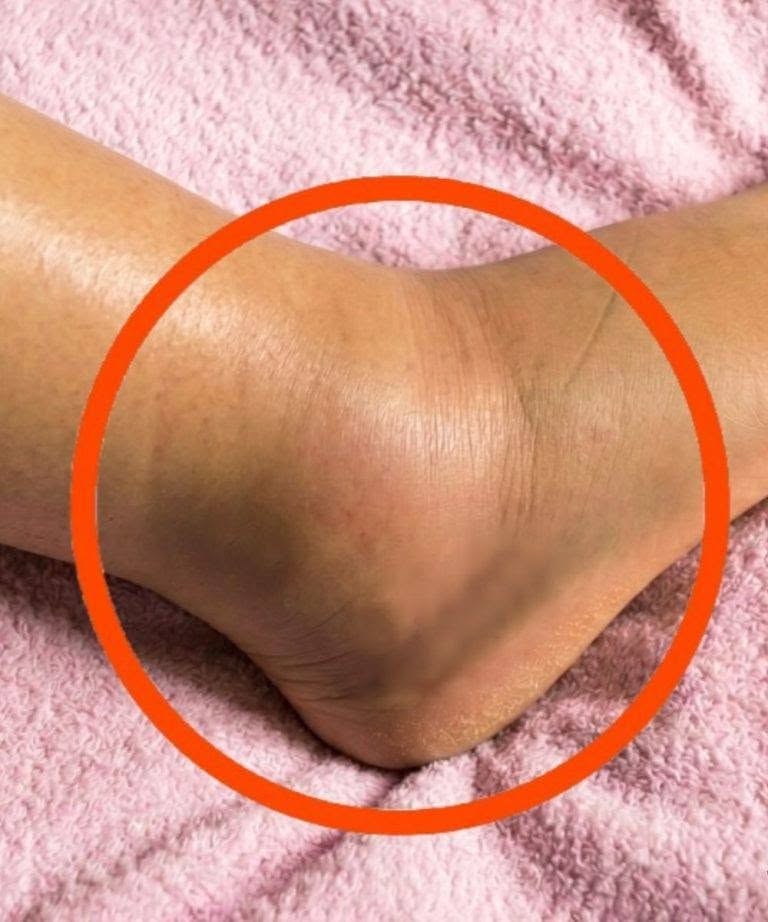
Simple comfort measures may help with mild swelling, but persistent swelling can have another cause, and some warning signs should prompt medical attention.
4. Avoid Prolonged Sitting or Standing
Gentle movement can encourage circulation. Try walking for a few minutes, flexing and pointing your feet, or rotating your ankles periodically.
5. Watch Your Salt Intake
A high-sodium diet can contribute to fluid retention. Choosing fresh foods and limiting heavily processed and salty foods may help reduce water retention.
6. Be Careful With Supplements
Although nutrients such as magnesium and omega-3 fatty acids are important for overall health, supplements should not be used specifically to treat unexplained foot swelling without medical advice.
Talk to your doctor or pharmacist before starting any new supplements, especially if you take medications or have an underlying health condition.
When Should You See a Doctor?
Seek medical attention if swelling is persistent, severe, sudden, unexplained, or affects only one leg, particularly if it is accompanied by pain, redness, warmth, or other concerning symptoms.
Sudden swelling accompanied by shortness of breath or chest pain requires urgent medical attention.